
Winter Refuge on the Pacific Flyway
Sandhill Crane at Merced National Wildlife Refuge
Framing a Sandhill Crane from the Van
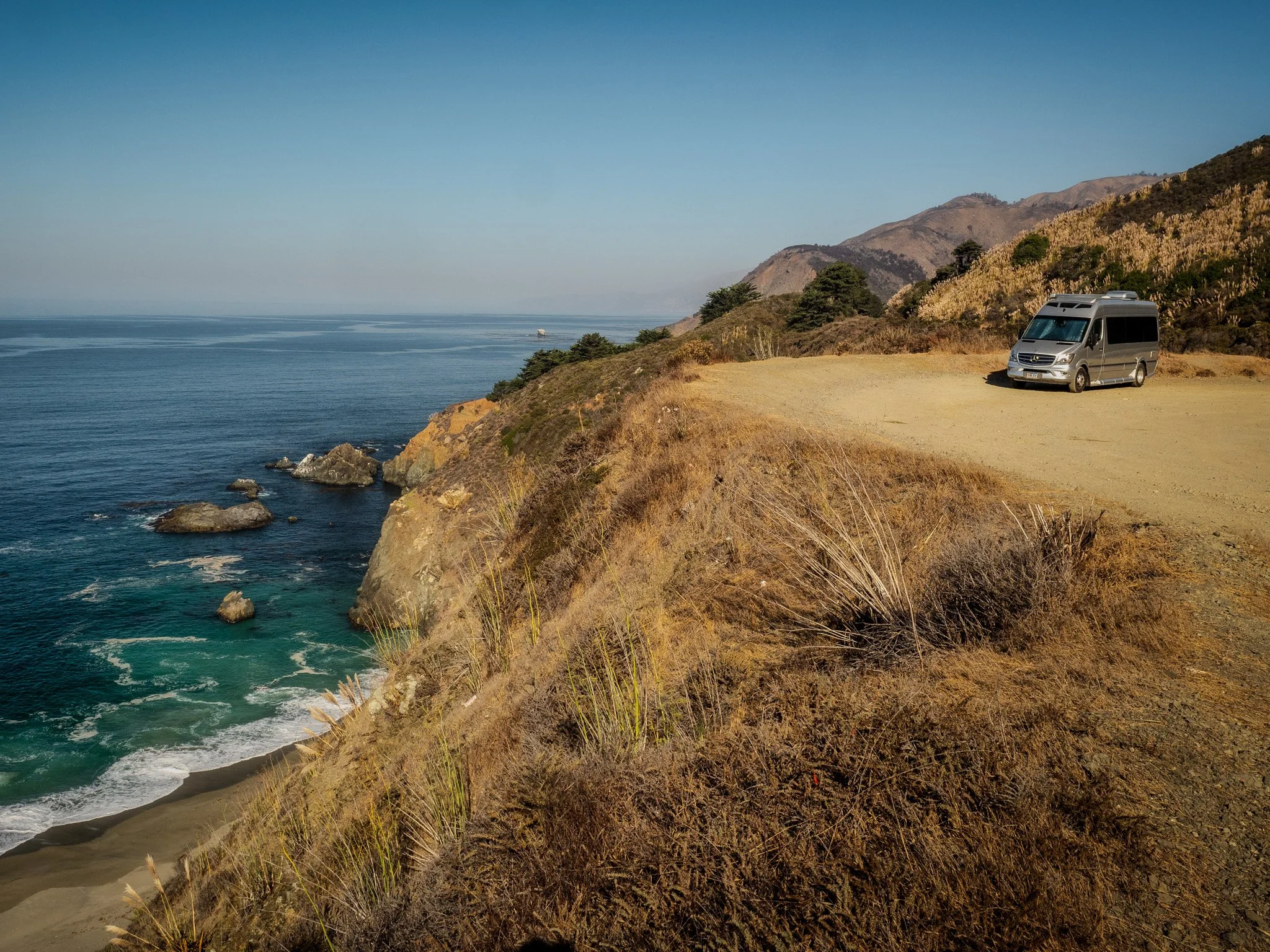
Normally, my camera stays pointed at ancient sandstone, wind-sculpted granite, or deep space targets high in the night sky. Wildlife photography was never high on my priority list—I have always been a roots, rocks, and grand vistas kind of photographer. But during a winter journey through California's Central Valley, I decided to take a detour into the Merced National Wildlife Refuge. Positioned squarely along the Pacific Flyway, this sanctuary becomes an incredible winter haven for migratory waterfowl and shorebirds. The moment I pulled onto the auto tour route in my camper van, the sheer scale of life in the basin blew me away.
Established in 1951, the Merced Refuge covers over 10,000 acres of wetlands, native grasslands, and flooded agricultural fields specifically managed to support wintering populations. It plays a critical role for the Lesser Sandhill Crane, hosting one of the largest concentrations along the Pacific Flyway, alongside tens of thousands of Lesser Snow Geese. Listening to the chorus of thousands of snow geese taking flight—and trust me, there were so many snow geese—was an incredible sensory experience. Yet, amidst the loud commotion of the flock, my eye caught a quieter, more intimate moment just off the side of the dirt road.
Standing elegantly in the remaining stubble was this very handsome Sandhill Crane. Rather than stepping outside and risking scaring the bird, I used the driver's side door of my van as a steady camera rest. The crane turned slightly, presenting a clean side profile that highlighted its striking crimson crown, slate-grey plumage, and graceful posture. I had my 100-400mm lens extended fully (800mm full frame equivalent) and thanks to the fantastic IBIS of the OM-1, captured a tack-sharp photo.
Sandhill cranes are among North America’s oldest living bird species, with fossil records dating back over 2.5 million years. Getting this close to witness such a primitive, majestic creature in its natural habitat reminded me that patience and flexibility often yield the best surprises in photography.
Explore More of My Adventures
Discover the story behind a winter wildlife portrait of a Sandhill Crane along California's Pacific Flyway at Merced Refuge.