
Point Lobos Whalers Cabin
A Historic Whaler's Cabin at Point Lobos
Point Lobos State Natural Reserve, tucked just south of Carmel, California, has a strong claim as the most picturesque stretch of coastline in the American West. It is easy to see why photography legends like Ansel Adams and Edward Weston treated this peninsula as their personal outdoor studio. On any given hike along the coastal bluffs, you can watch harbor seals lounging on the rocks or spot sea otters floating on their backs, using stones to crack open abalone they just pulled from the ocean floor. Between the jagged granite headlands, wind-sculpted trees, and hidden coves, the visual diversity here is unmatched.
The History Behind Whaler’s Cove
During this visit about fifteen years ago, I wandered down to Whaler's Cove and found myself captivated by a weathered wooden cabin tucked beneath the sprawling, lace-covered canopy of a massive Monterey cypress. That unassuming structure is the historic Whalers Cabin, built in the 1850s by Chinese fishermen who established a thriving fishing village right here on the cove. Over the decades, the cabin saw plenty of change—it was later used by Portuguese shore whalers, then by Japanese abalone fishermen and cannery workers in the early twentieth century, before finally being restored and turned into a small museum. Standing beside it, the sheer scale of the cypress trunk makes the building look almost like a dollhouse, with heavy limbs stretching out like a protective roof over the weathered board-and-batten siding.
Finding the Right Perspective
Photographing a scene this tight and vertical is always a puzzle. I walked circles around the clearing, swapping lenses and testing different vantage points to balance the massive, textured trunk against the geometric lines of the cabin. The harsh midday light filtering through the Spanish moss and cypress needles created tricky contrast, which made a warm, split-toned monochrome treatment feel like the most honest way to honor the history of the place. Looking at this frame a decade and a half later, I know I would approach the framing and light a little differently with the experience I have under my belt today—which is just another great excuse to pack the camera gear and head back to Point Lobos soon.
Where the Trail Wanders On
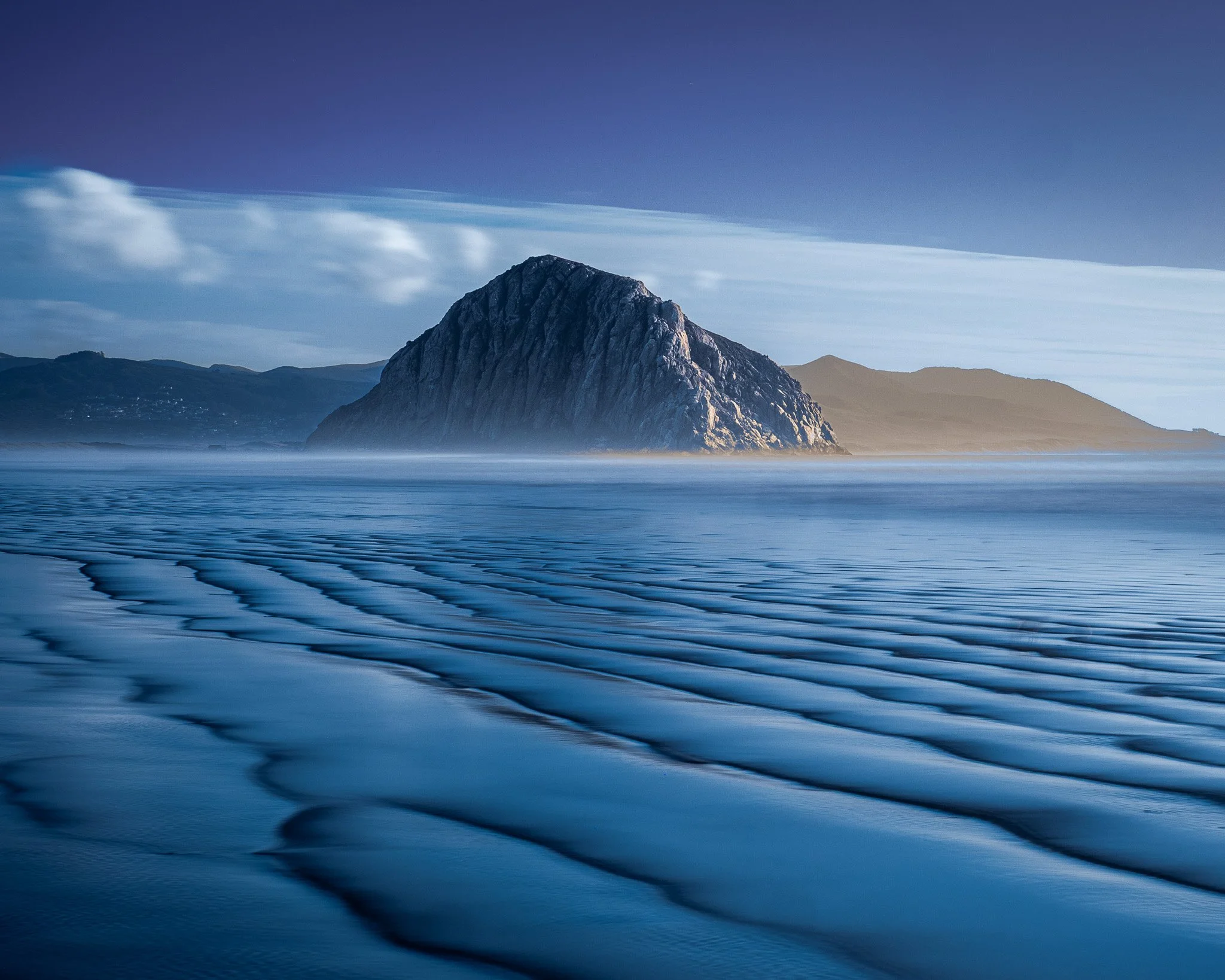
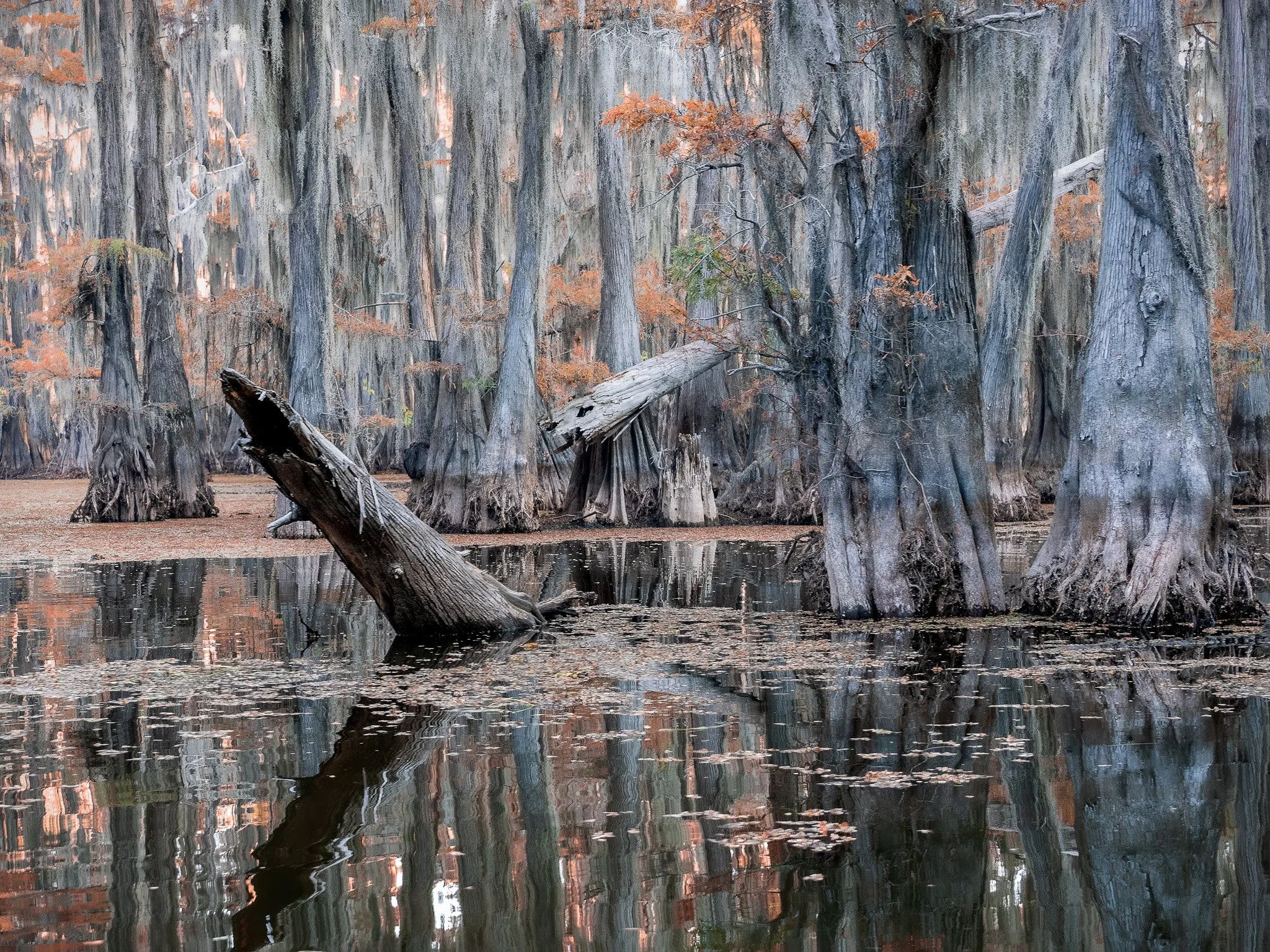
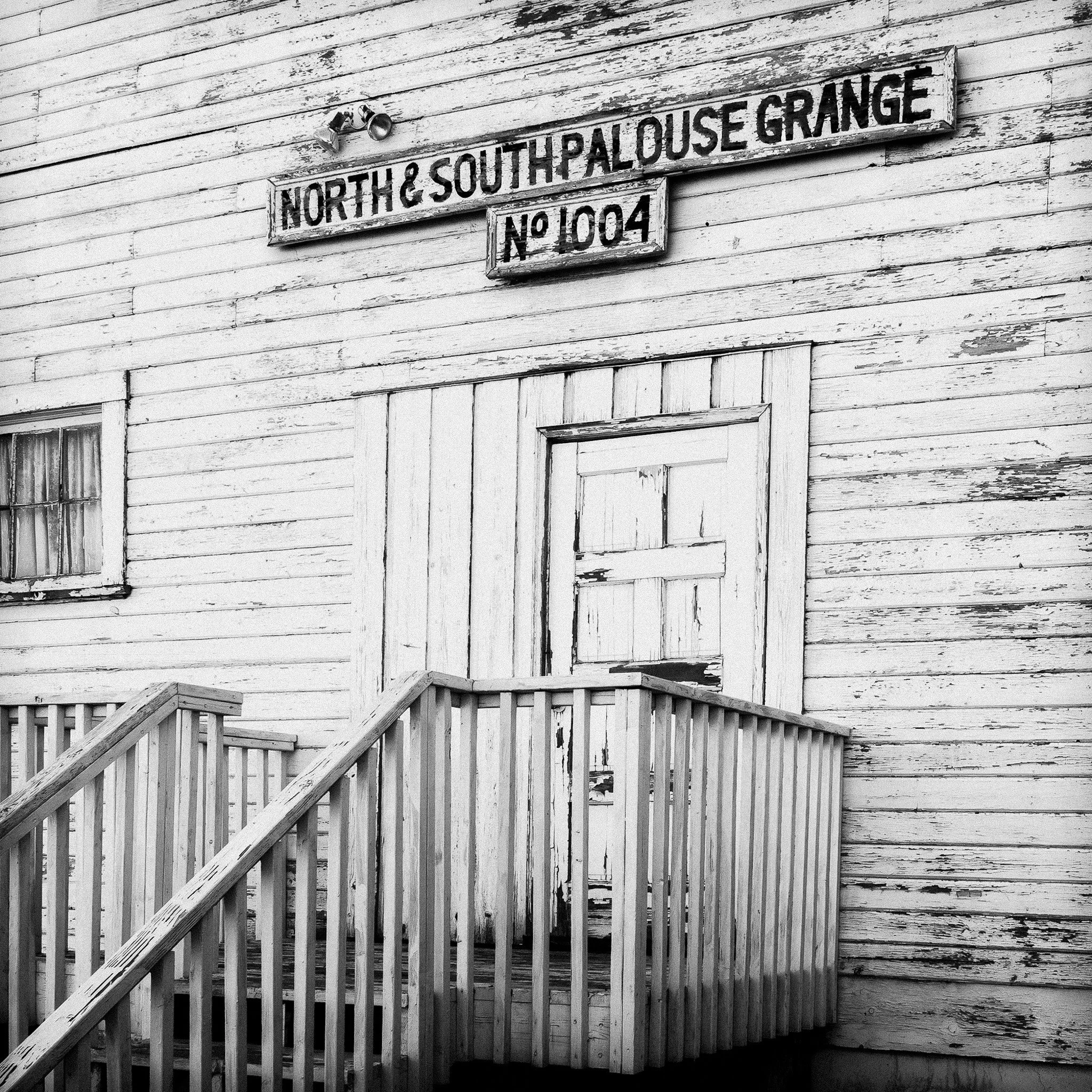
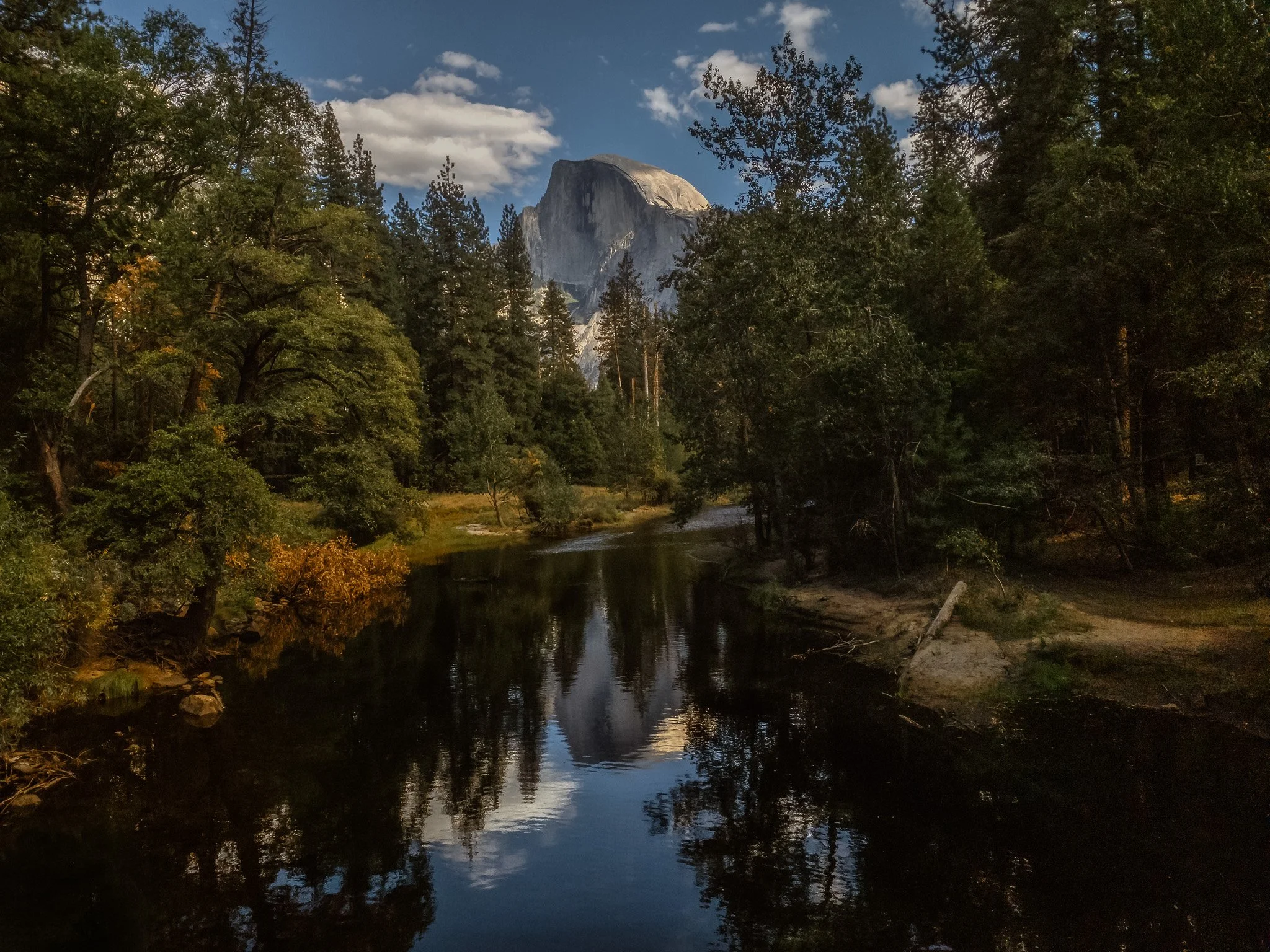
Discover the rich history behind the 1850s Whalers Cabin at Point Lobos State Natural Reserve in Carmel, California, and the compositional challenges of photographing this iconic coastal landmark beneath a towering Monterey cypress.