
Surf-carved sand branches at Carlsbad Beach in black and white.
Looking Down When the Sky Offers Nothing
How Receding Surf Turned Harsh Sunlight into a Study of Form
Bright, sunny days along the coast can be a landscape photographer's worst enemy if you insist on shooting the wide view. When the sun climbs high and the sky turns a flat, cloudless blue, wide vistas often end up looking washed out with harsh shadows and empty air. Instead of packing up my gear and heading back to the van, I have learned to change where I point my lens. Looking down at the ground lets me focus on smaller forms, textures, and graphic shapes that harsh light actually helps reveal.
That mindset paid off during a bright afternoon at Carlsbad Beach in Southern California. What looks at first glance like a tangle of bare deciduous trees in winter is not driftwood or tangled seaweed at all. Those branching, organic lines were sculpted by contrasting bands of wet and dry sand left behind as the surf receded. Water and gravity do an impressive job drawing patterns across a shoreline, turning everyday beach sediment into something that feels almost like a charcoal sketch on light paper.
Converting this frame to black and white was the final step that pulled the whole composition together. Stripping away color removes distractions and turns the branching sand patterns into a pure study of shape, line, and tonal contrast. You do not always need dramatic storm clouds or golden hour magic to make a photograph work; sometimes you just need to look down at your feet and let the tide do the drawing.
Where the Trail Wanders On
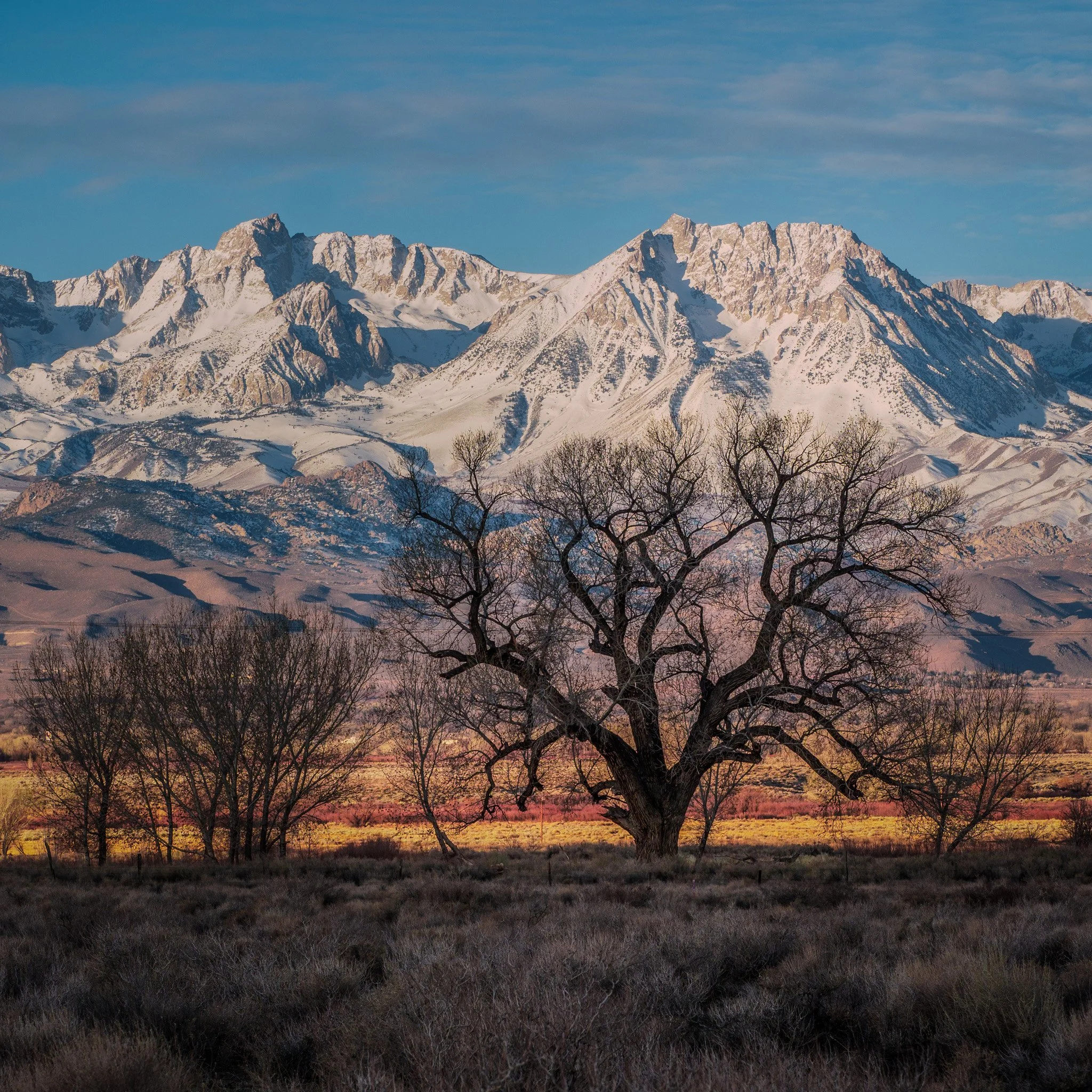
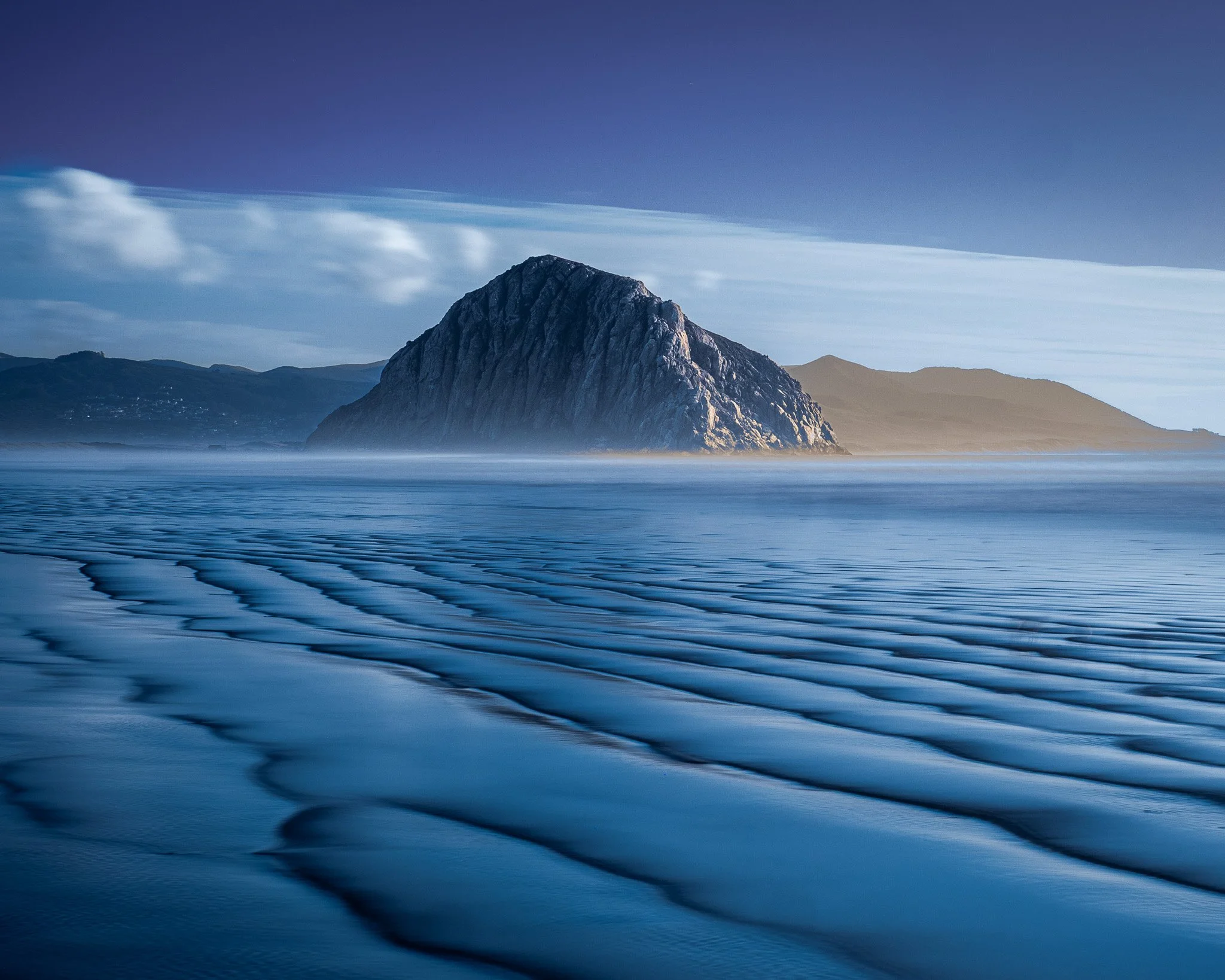
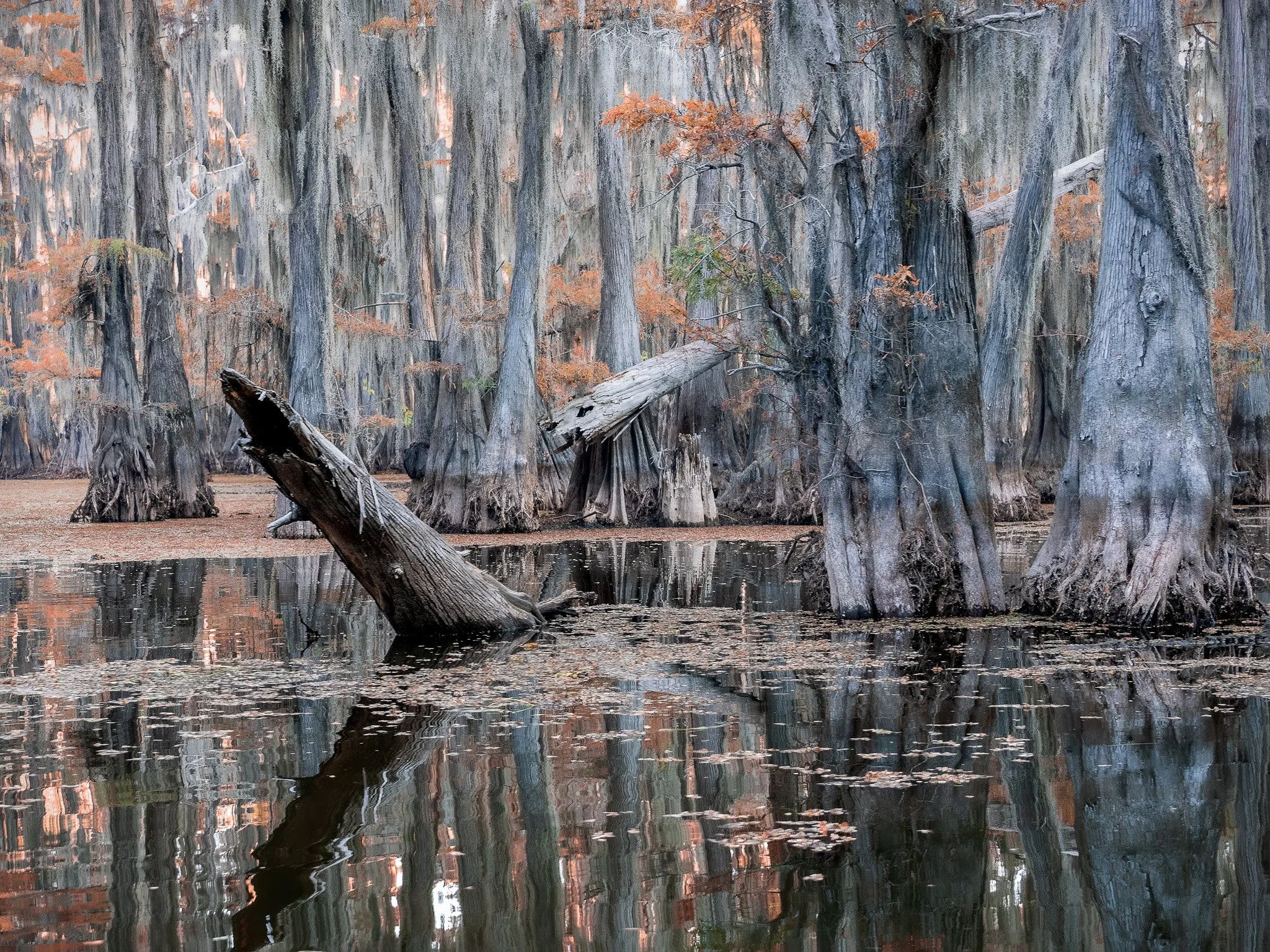
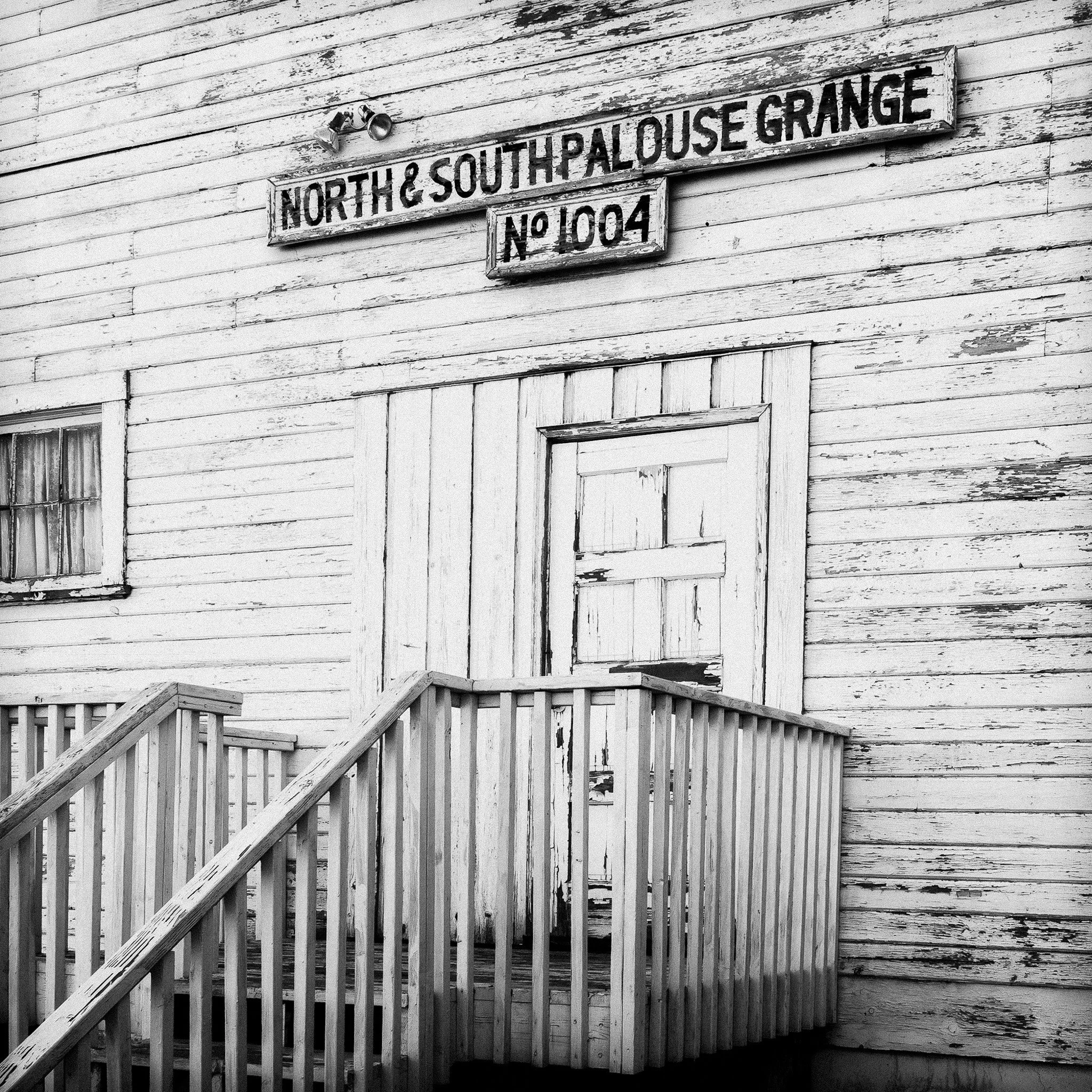

Harsh midday sun at Carlsbad Beach turns a wide coastal view into a flat sky, so looking down reveals branching sand patterns that shine in black and white.