
NGC 7000: The North America Nebula in Cygnus
Journey Into Deep-Space Processing
Stepping into astrophotography after years of focusing on terrestrial landscapes has been a humbling exercise in patience. When I first picked up my Vespera Pro smart telescope almost a year ago, I figured pointing it at the night sky would be little different than locking down a composition on a rugged stretch of Western badlands. Boy, was I wrong. Processing deep-space data can feel downright daunting for a relative newbie, but sticking with it pays off when you pull raw photons out of the dark and turn them into something tangible. Take the North America Nebula, cataloged as NGC 7000 in the constellation Cygnus. Sitting roughly 2,590 light-years away from us, this massive emission nebula spans an area nearly ten times the size of a full moon in our night sky. Despite its generous proportions, its low surface brightness means you cannot easily spot its true colors with the naked eye.
I captured this frame over several clear nights, letting the smart telescope methodically gather light while I got some sleep. The real heavy lifting happened back on the computer. I ran the multi-night data stack through the new and free software, Astro Wizard, to guide me step by step handling the background gradient removal, de-convulusion, noise reduction, initial stretch and color calibration, then brought the file into Photoshop for the finishing touches. What blows my mind every time I look at this data is how clearly defined the geography is. That unmistakable dark dust lane cutting across the lower left section creates an uncanny outline that mimics the Gulf of Mexico and the East Coast of North America. Up in the upper right-hand corner, its celestial neighbor—the Pelican Nebula (IC 5070)—hangs suspended, separated from the mainland only by a massive, obscuring cloud of interstellar dust known to astronomers as L935.
Decoding the Cygnus Constellation
Historical records show that William Herschel first noted a faint wash of nebulosity in this region back in 1786, though it took wide-field photographic plates by German astronomer Max Wolf in 1890 to finally reveal its iconic continental silhouette. Energetic ultraviolet radiation from a massive, hidden star powers this glowing hydrogen cloud, exciting the gas and causing it to emit that characteristic deep red glow. Wrestling this data into a balanced final image taught me that deep-sky processing shares a lot of DNA with landscape editing—it is all about managing contrast, protecting highlight details in stellar nurseries, and knowing when to back off the sliders so you don't overcook the frame. For anyone who thinks smart telescopes do all the work, I promise you that sitting down to wrestle linear FIT files and stretch histograms will test your grit just as much as freezing your fingers off waiting for sunrise in the backcountry.
Explore More of My Adventures

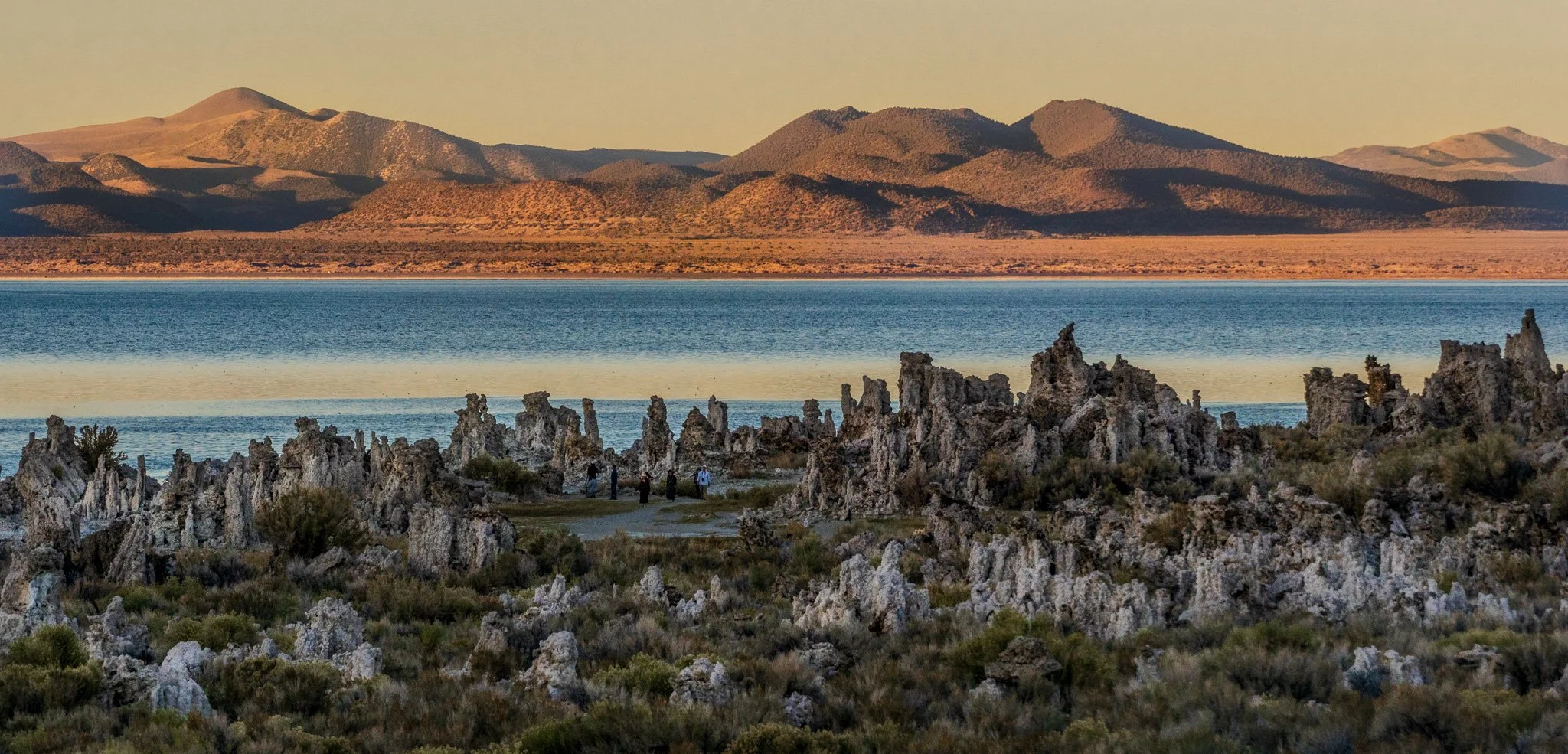
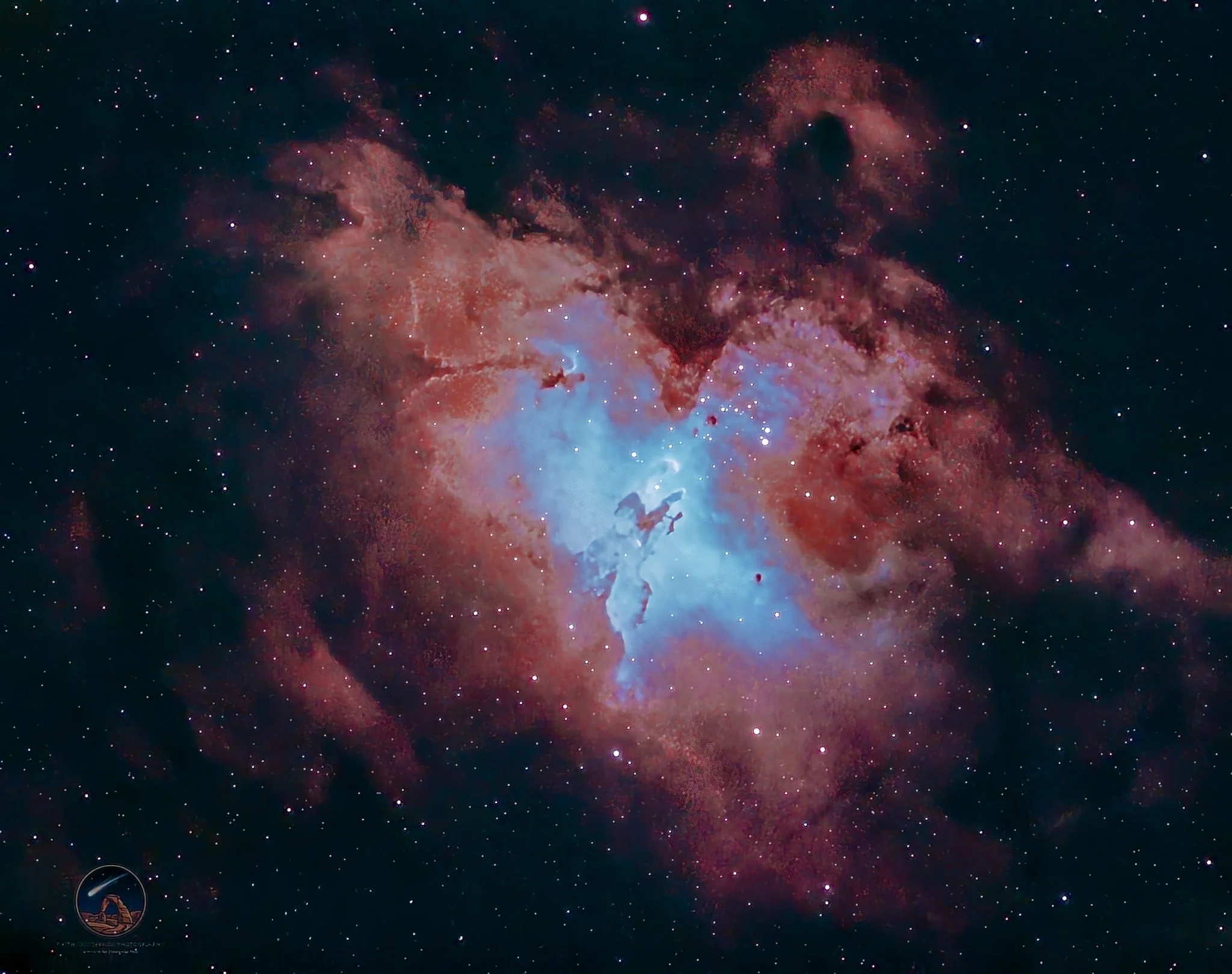
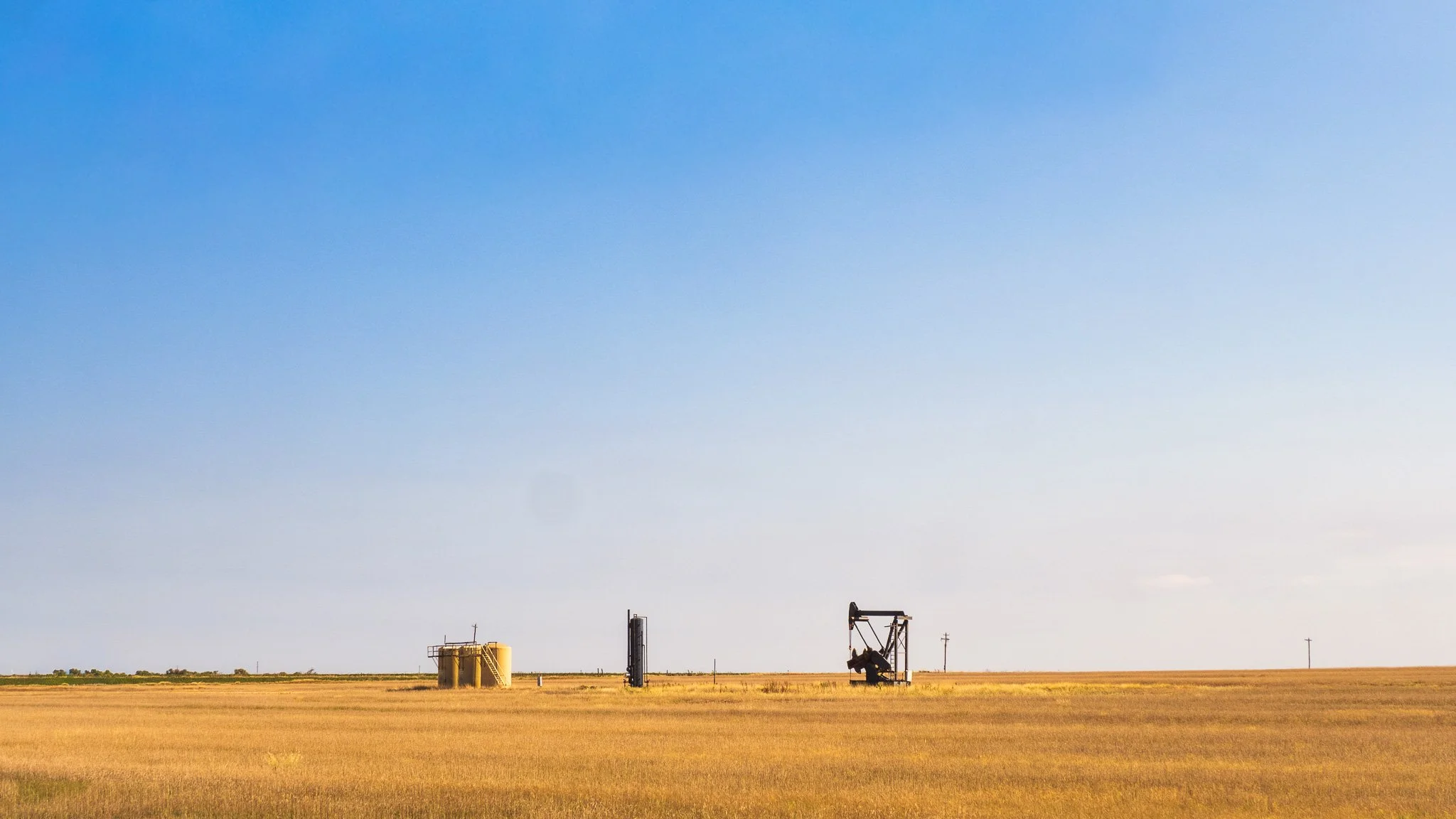

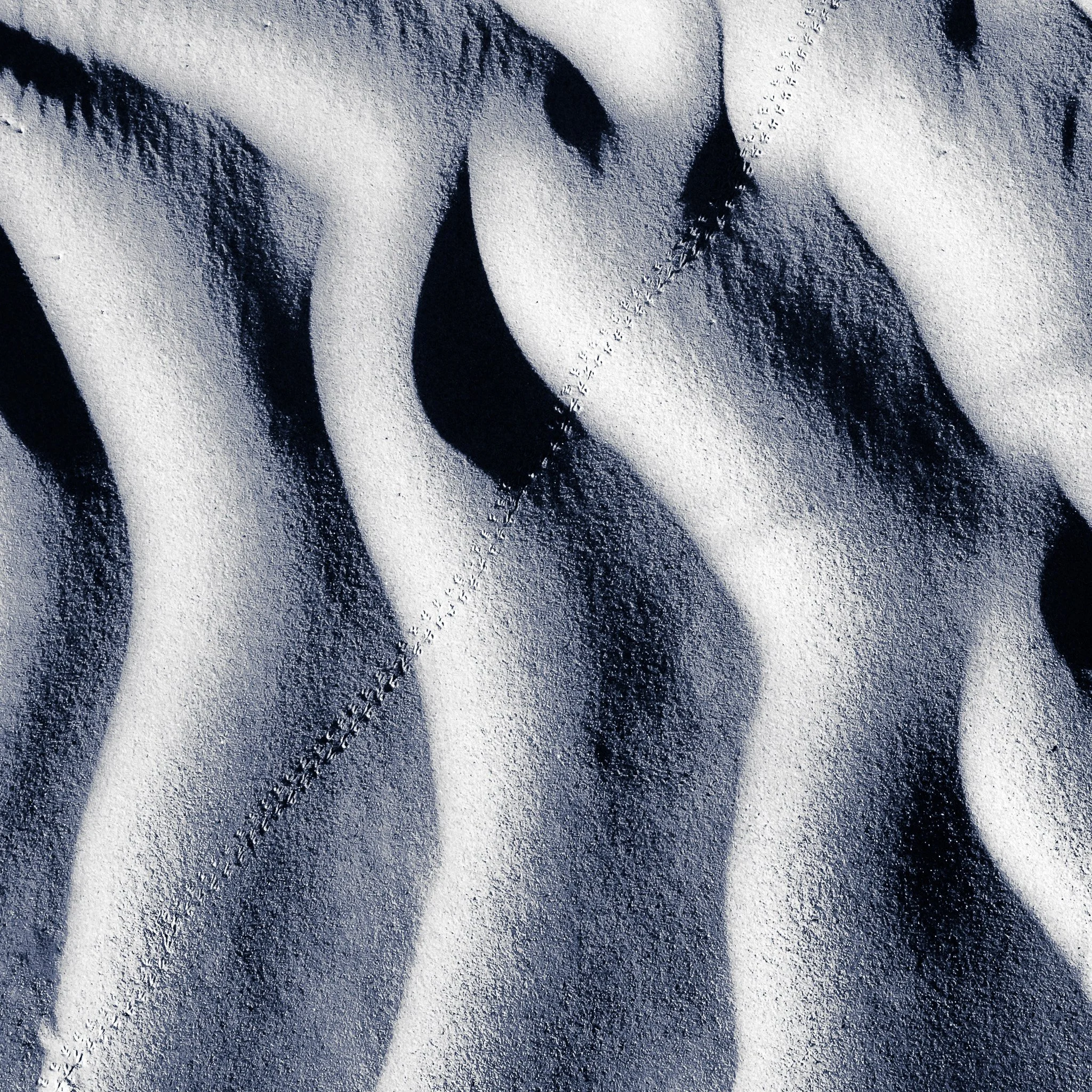
Discover the story behind capturing a sudden rainbow over Mitre Peak from Skyline Drive in West Texas before a night of deep-sky astrophotography.