
Morning Light on the Fragile Sand Tufa Towers of Navy Beach
Exploring the Fragile Sculptures of California's Eastern Sierra
Technical Field Notes: Capturing the Mono Basin
There is a rhythm to working along Highway 395 that settles into your bones after a few years of photographing there in all seasons. Whether you are chasing the ancient bristlecones, wandering the chaotic boulders of the Alabama Hills, heading up the side canyons for Fall colors or checking out the arrested decay of Bodie, the Eastern Sierra always demands a pit stop at Mono Lake. Pro tip; Anyone running this stretch knows that the unassuming Mobil gas station at the intersection of Highway 395 and Highway 120—the eastern gateway to Yosemite National Park—is a mandatory culinary detour. The food there punches way above its weight class, and I never pass through without grabbing a proper meal before setting up camp a few miles away at Mono Lake.
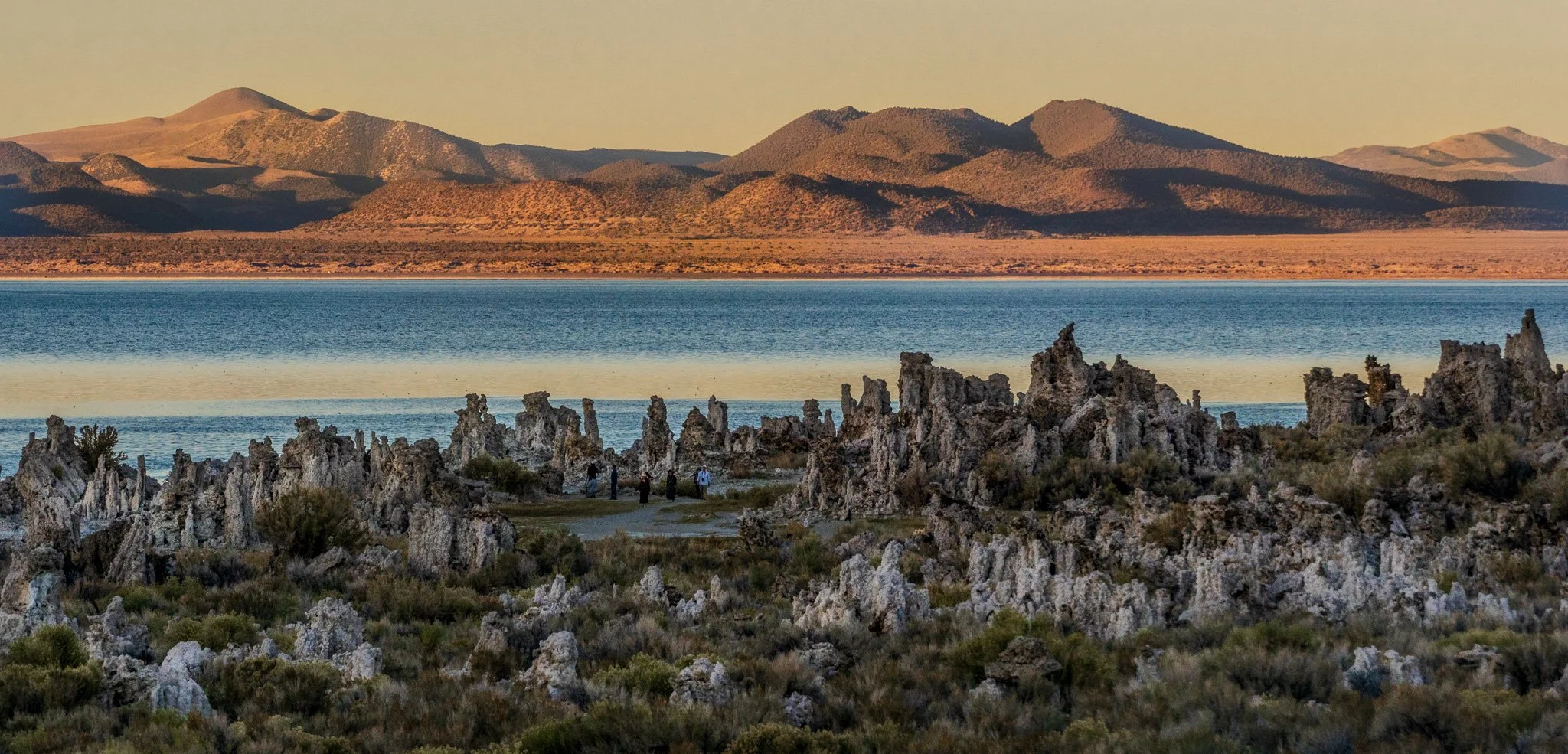
On this particular morning, I decided to bypass the classic, heavily photographed tufa groves along the south and west shores. Instead, I turned down a quiet dirt road leading out to Navy Beach on the southern edge of the lake. While the iconic calcium-carbonate towers get all the love in tourist brochures, Navy Beach harbors something entirely different and far more fragile: sand tufa towers. These intricate, porous columns formed underwater centuries ago when freshwater springs rich in calcium bubbled up through sandy lakebed sediments, binding the grains together before dropping lake levels exposed them to the dry desert air. They look less like standard rock formations and more like ancient, skeletal architecture slowly being reclaimed by the wind.
Working these delicate formations requires a careful eye and a deliberate pace. The low morning light cutting across the Sierra crest added a sharp, dramatic contrast to the scene, casting deep shadows through the intricate lacework of the sand structures. I mounted my OM-1 to frame the foreground pillars against the distant, snow-dusted peaks of the Sierra Nevada. These structures crumble if you look at them wrong, so staying light on your feet while finding a clean composition is half the battle. After wrapping the shoot, firing up the stove back at the van for a fresh pour-over coffee while watching the morning clouds drift over the basin reminded me precisely why I keep coming back to this ancient, saline inland sea.
Explore More of My Adventures
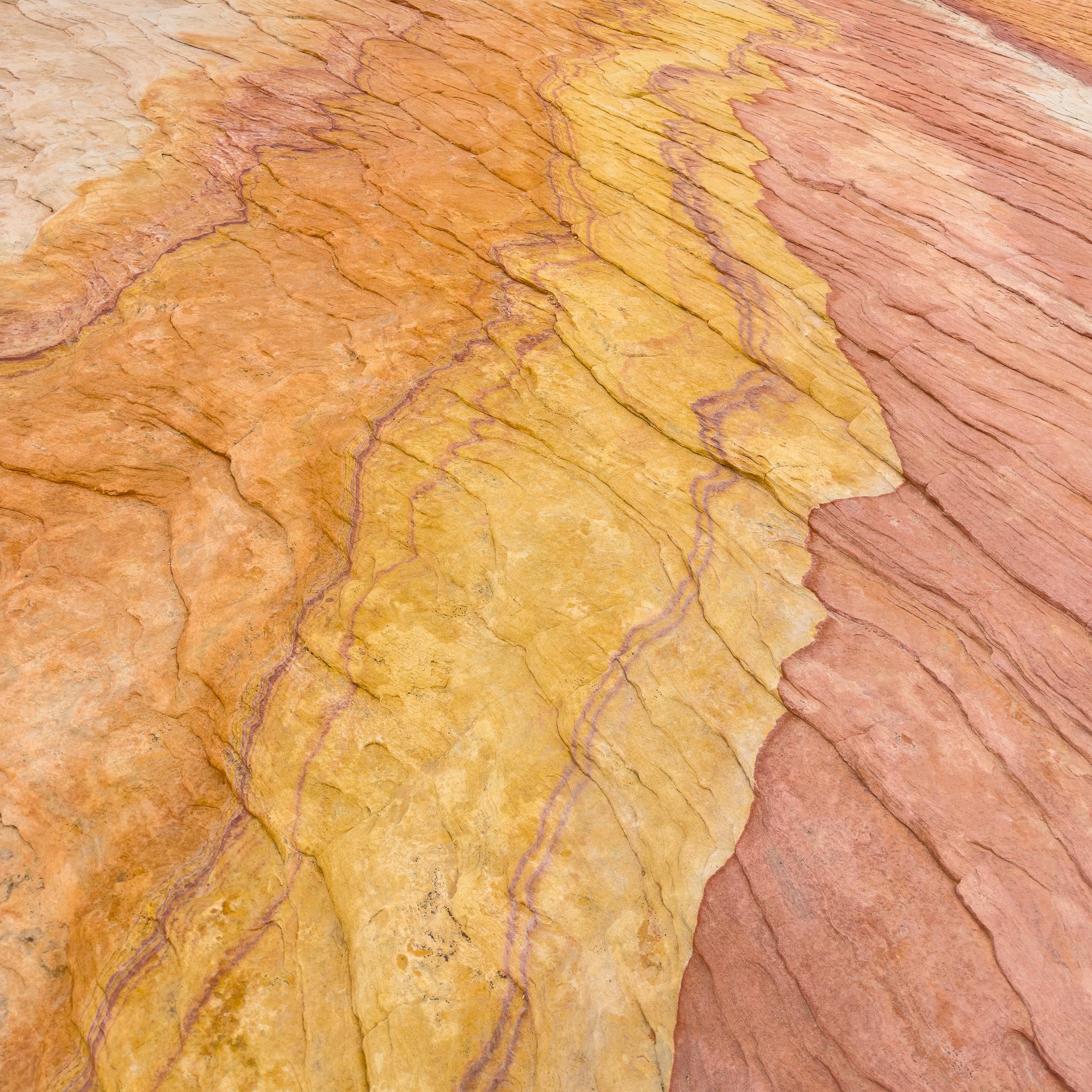

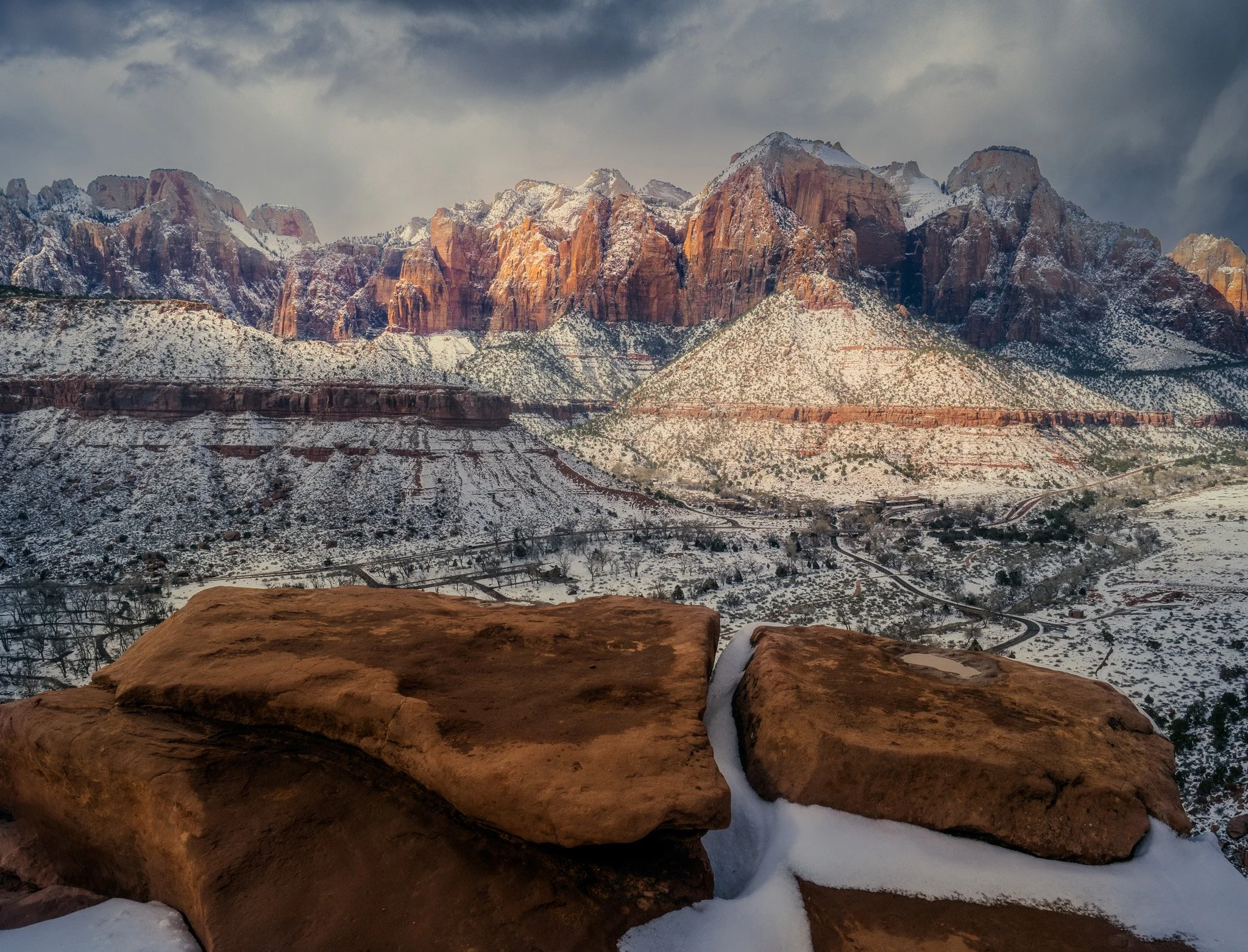
When a navigation pin failed in Southern Utah, a unexpected turn revealed this stunning compressed view of ancient rock strata near Mexican Hat. Read the story behind the shot!