
Desert Survivor: Meeting a Death Valley Coyote
Desert Resident Along Highway 190
Desert Ghost: Photographing a Coyote Near Furnace Creek
Coyote Encounter WhileTracking Down Green Rock Outcroppings In Death Valley
Heading out along Highway 190 between Furnace Creek and Zabriski Point puts you right in the middle of some of the most striking geology the American West has to offer. For years, I had driven past a fascinating stretch of greenish rock outcroppings sitting quietly not far from the notoriously bougie Furnace Creek Inn, telling myself I finally needed to stop and capture them. On this particular trip, I was with my adventure club and we made it happen. We pulled off the asphalt to frame up those mineral-streaked hills, completely focused on the static, ancient landscape. Landscape photography often forces you to look entirely at the big picture—the sweeping horizons, the play of light across badlands, and the sheer scale of the desert. But nature has a funny way of shifting your perspective the second you let your guard down.
While framing up a composition on those greenish clay and rock formations, I felt that subtle, electric sense of being watched. I glanced back and to my left, and there stood a desert coyote, completely calm and holding its ground just yards away. Wildlife encounters in the backcountry rarely happen on your terms, and you certainly don't argue with a curious canine encounter when it’s handed to you, knowing that the landscape can wait. Leaving my landscape composition behind, I grabbed this sharp portrait before it decided to trot off into the wash. It’s a great reminder that no matter how lifeless a harsh environment like Death Valley might first appear, resilient locals are always watching.
Coyotes (Canis latrans) in Death Valley National Park are absolute masters of adaptation. Unlike their larger, forest-dwelling cousins in the Pacific Northwest or the eastern United States, desert coyotes tend to be smaller, leaner, and frequently more solitary to conserve energy and water in extreme heat. Their light gray and reddish-brown coats provide near-perfect camouflage against the sun-baked mudstones and gravelly alluvial fans of Death Valley and throughout the Mojave. While they do the bulk of their serious hunting under the cover of cool desert nights—mostly targeting rodents and jackrabbits—it is not uncommon to cross paths with them during daylight hours. This particular individual looked healthy, alert, and entirely unimpressed by my presence.
Explore More of My Adventures
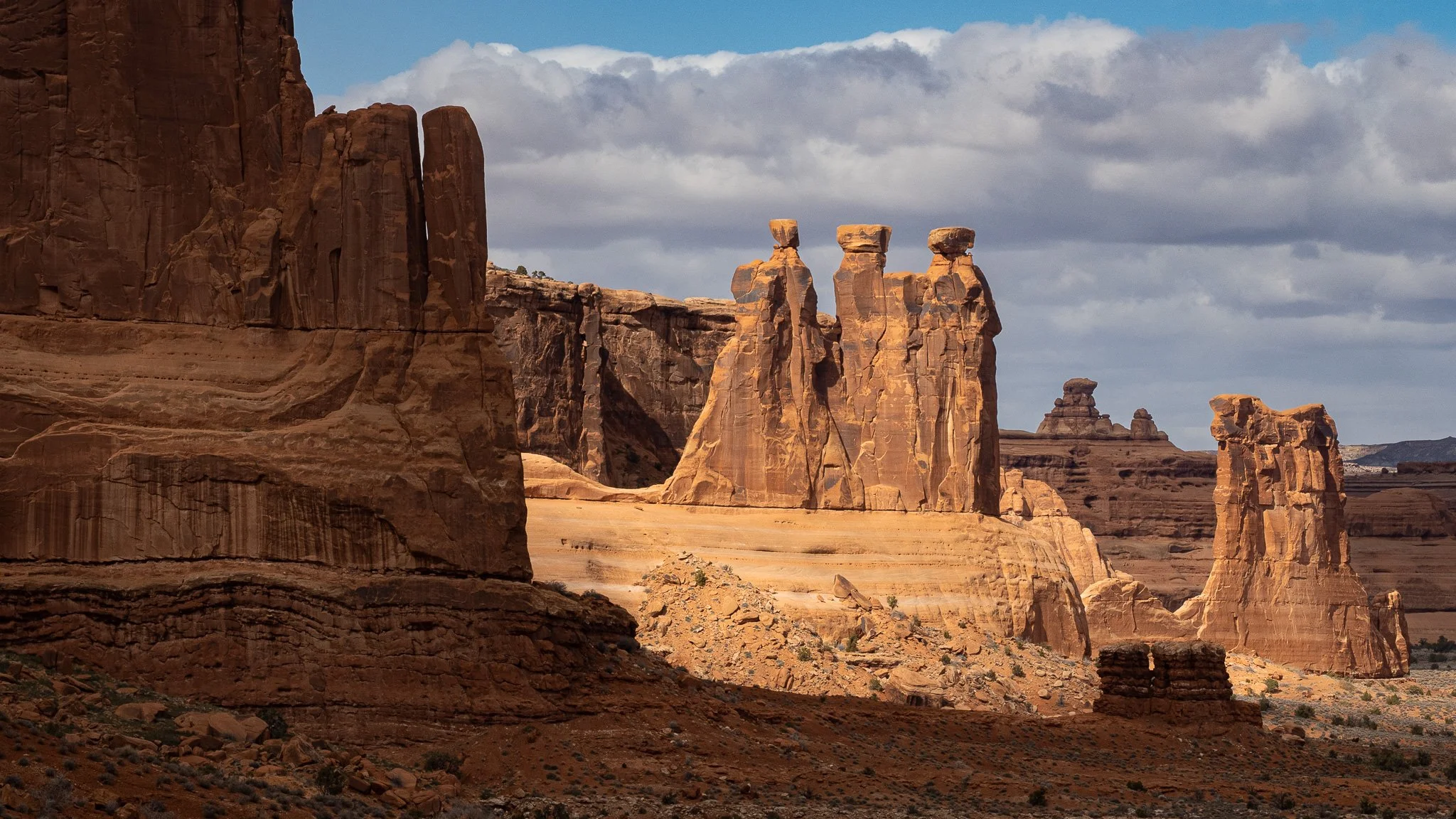
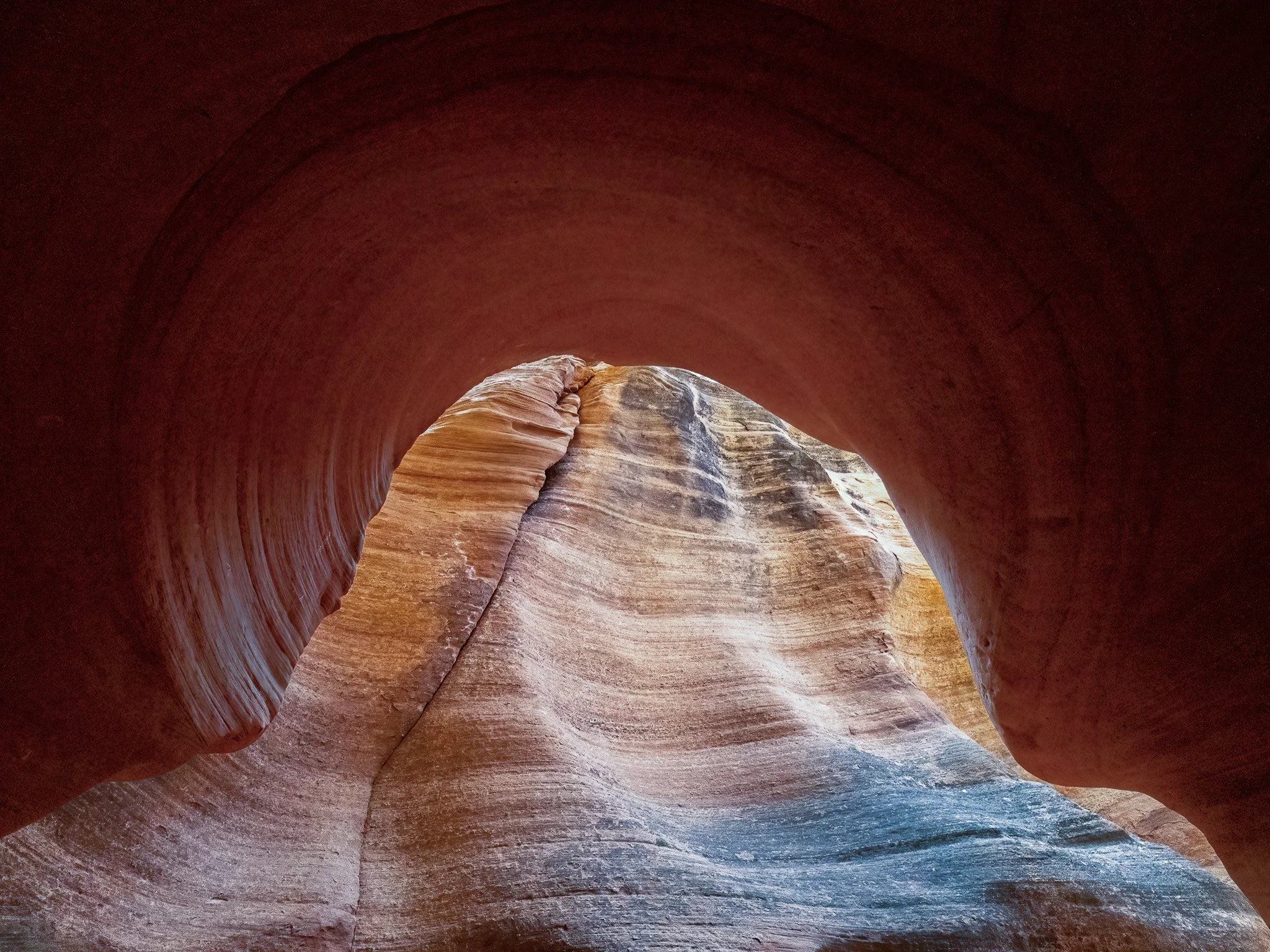
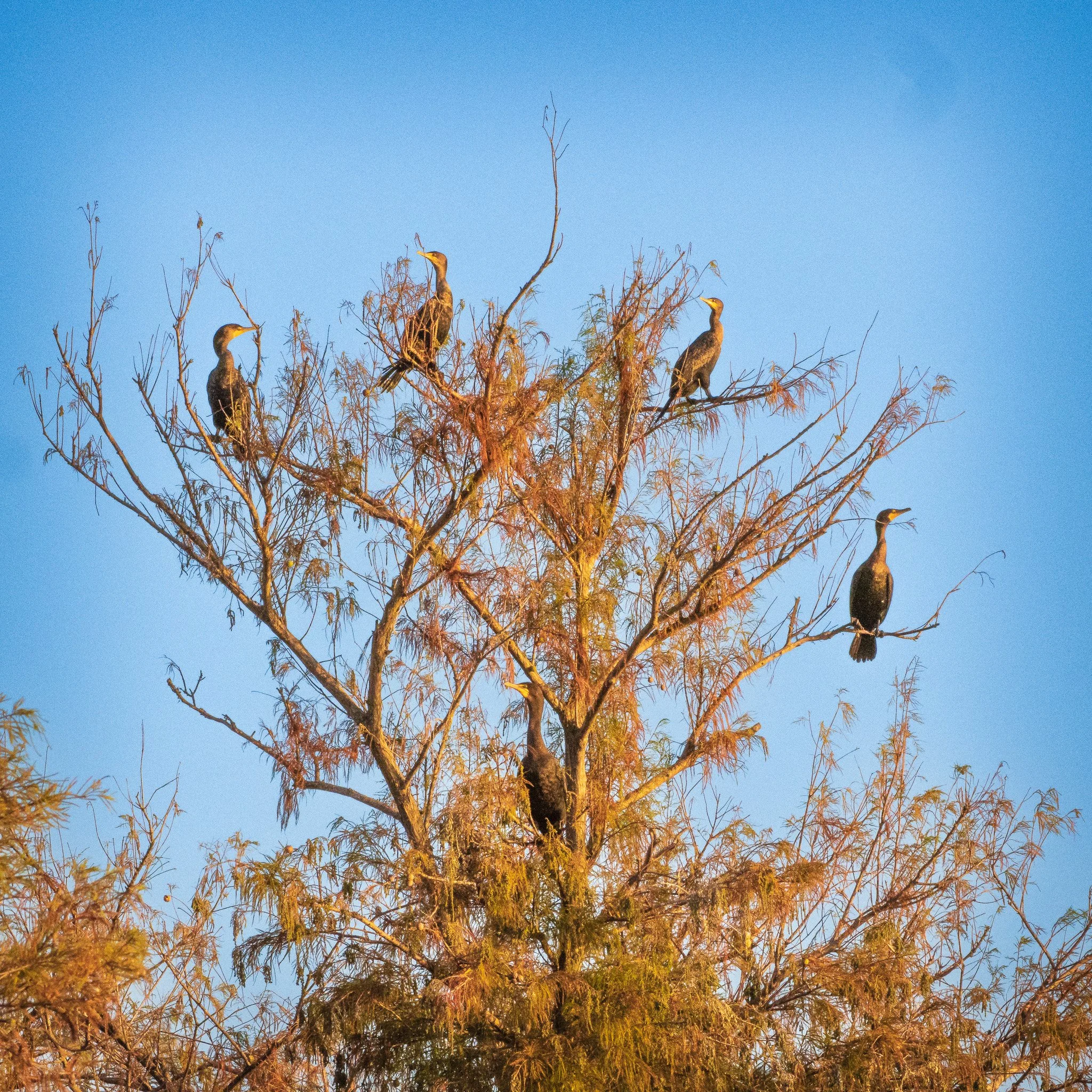
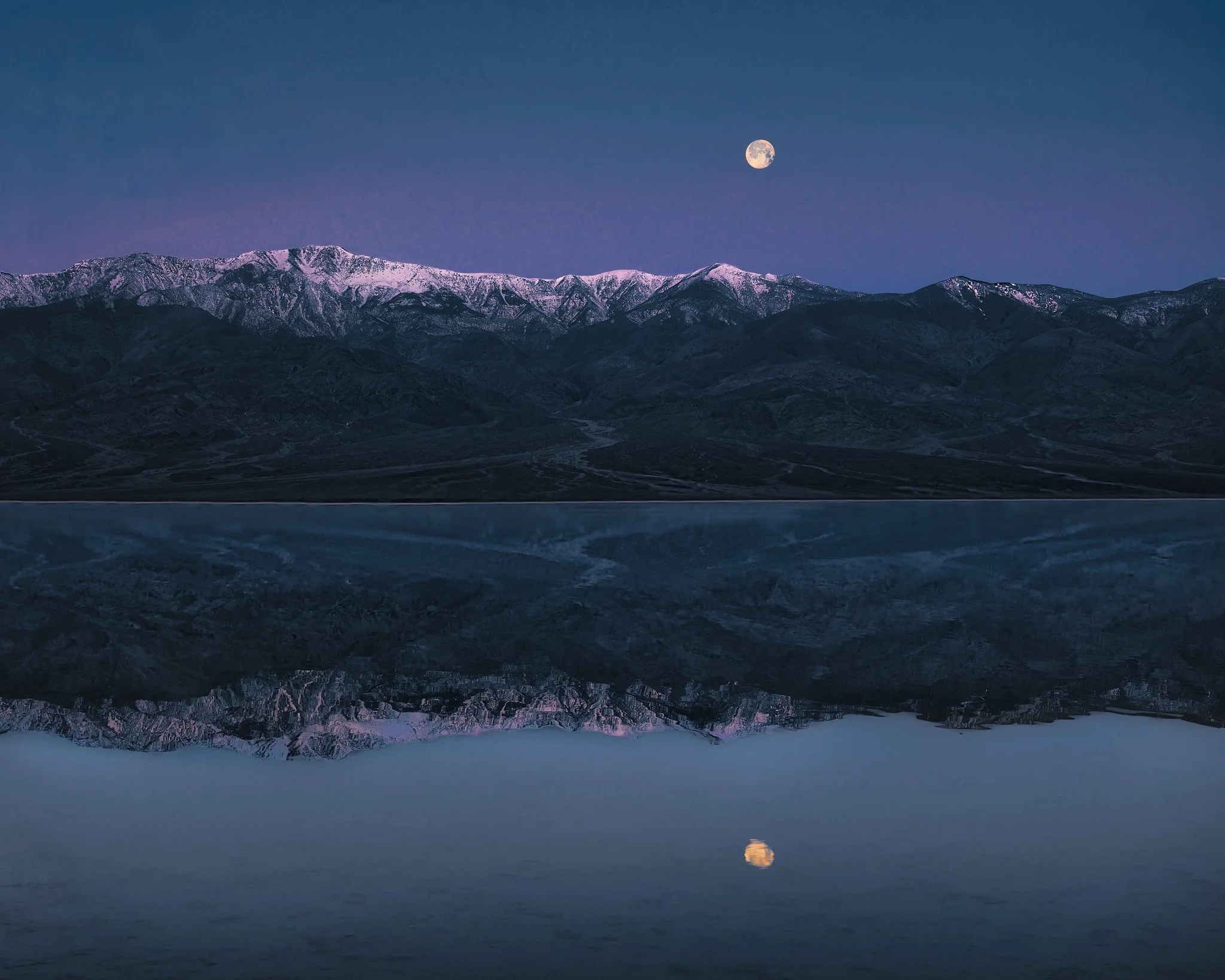
Stumbled upon a curious coyote while photographing the green rock outcroppings along Highway 190 in Death Valley. Read the story behind the shot.