
Abstract Incense Smoke Photography
The Story Behind the Shot
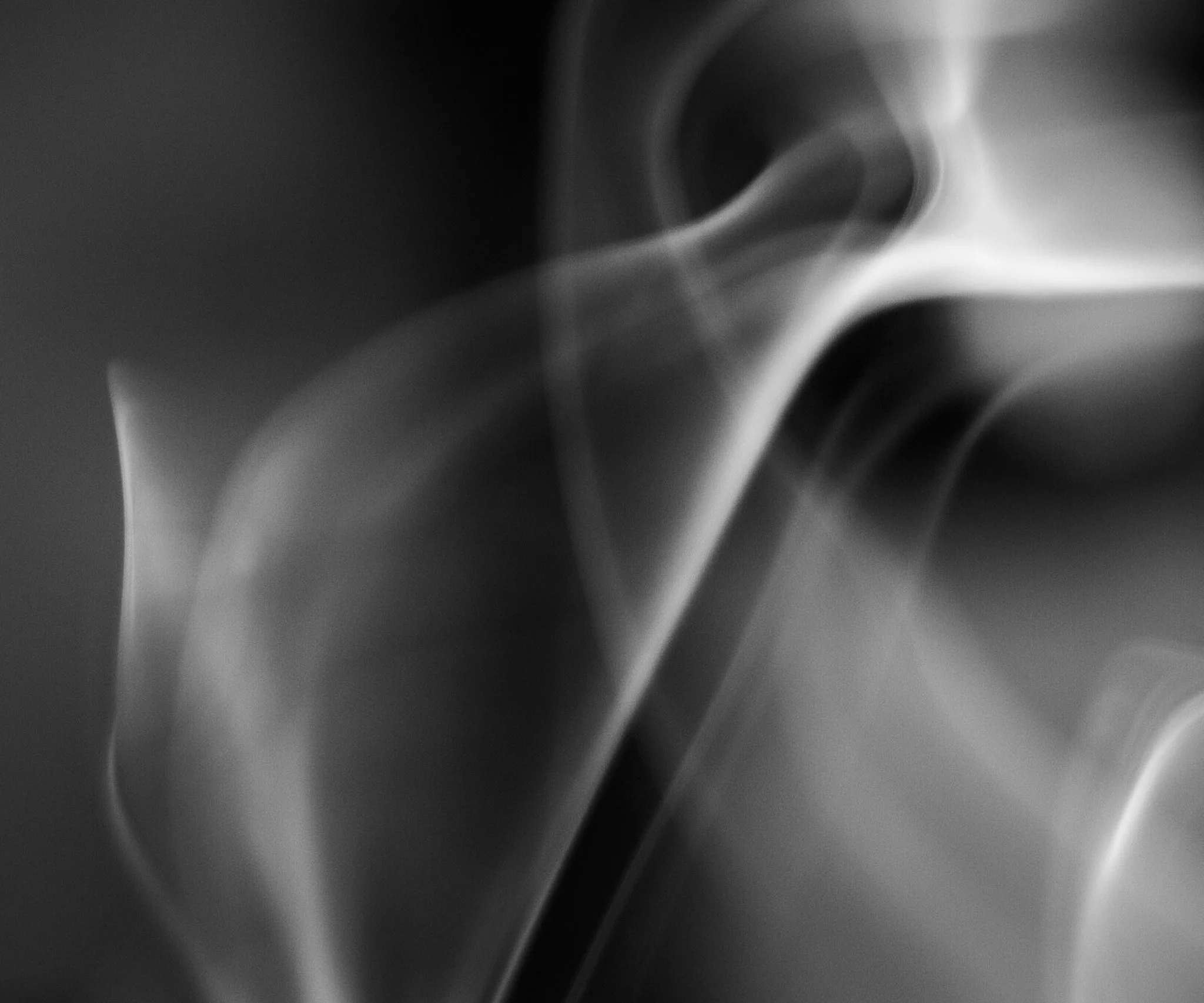
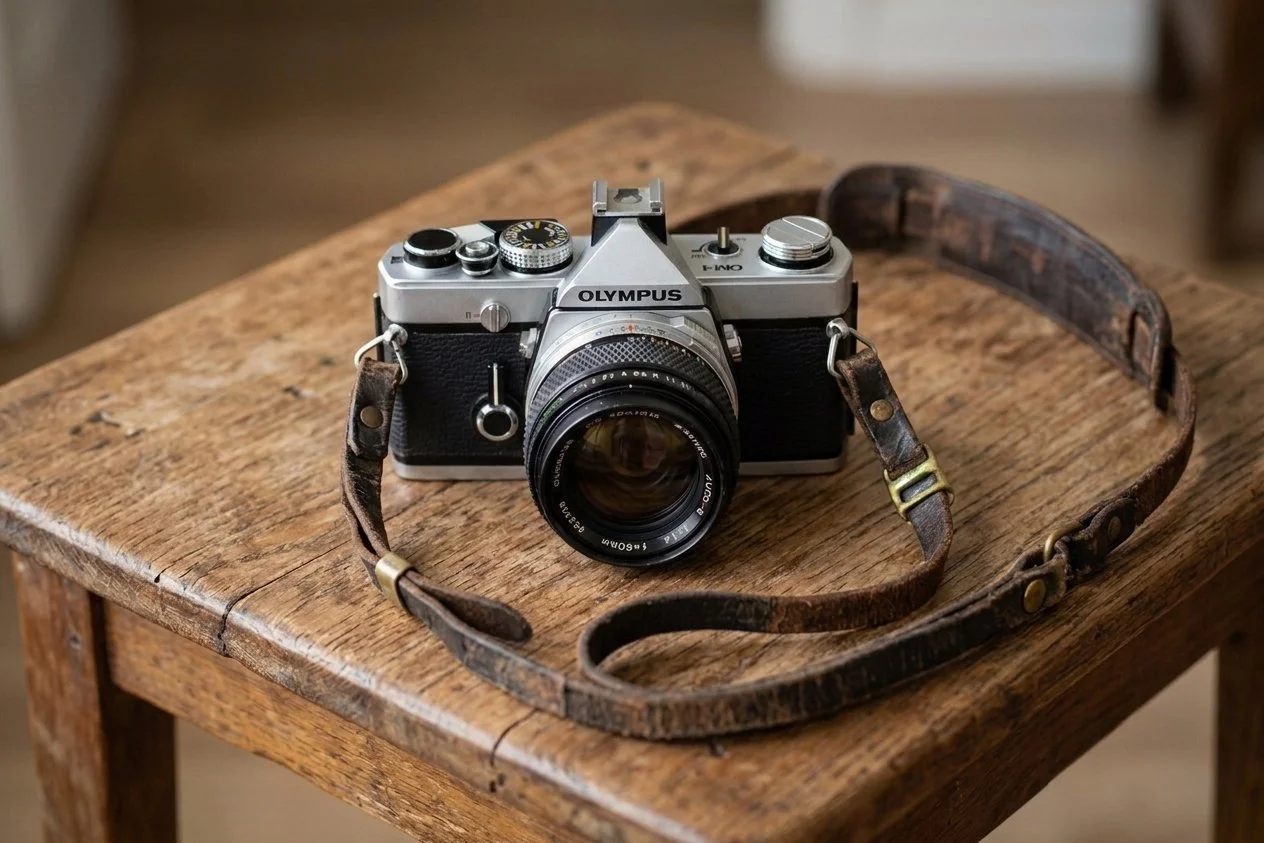
Usually, I'm out in the field setting up my tripod to capture sweeping desert vistas, vast badlands, or deep-space nebulae through my smart telescopes. But art doesn't always require a road trip across the American West. One quiet, boring evening at home, I lit a stick of incense and was just sitting back, watching the smoke drift up into the air. The way those delicate wisps twisted, folded, and changed shape every fraction of a second was completely mesmerizing. I decided to grab my camera right then and there to see if I could freeze one of those fleeting abstract moments.
The Fluid Mechanics of Incense Smoke
What looks like smooth, effortless motion to the naked eye is actually a fascinating demonstration of fluid dynamics. Incense smoke begins as a smooth, predictable laminar flow near the glowing tip, but as it rises and cools, it quickly transitions into turbulent flow. This transition creates chaotic, geometric tendrils that are completely unique to every second. Incense itself has a history spanning thousands of years, used across ancient civilizations from Egypt and India to China for meditation, ceremony, and aromatic therapy. Capturing it with a camera requires high shutter speeds and controlled lighting, turning microscopic particulate matter suspended in air into a sculpted, monochrome structure.
Mastering Micro-Lighting and Contrast
In the studio or at the dining room table, shooting smoke is an exercise in precise contrast and patience. To make the translucent tendrils pop against a deep black background, backlighting or cross-lighting is critical. The light catches the tiny solid particles floating in the air stream, turning them bright white while keeping the surrounding ambient space in dark shadow. I shot quite a few frames that evening, tweaking shutter speed and focus. While this specific frame might not be my single favorite from the batch, it hits the exact mood and fluid form I set out to capture.
Explore More of My Adventures
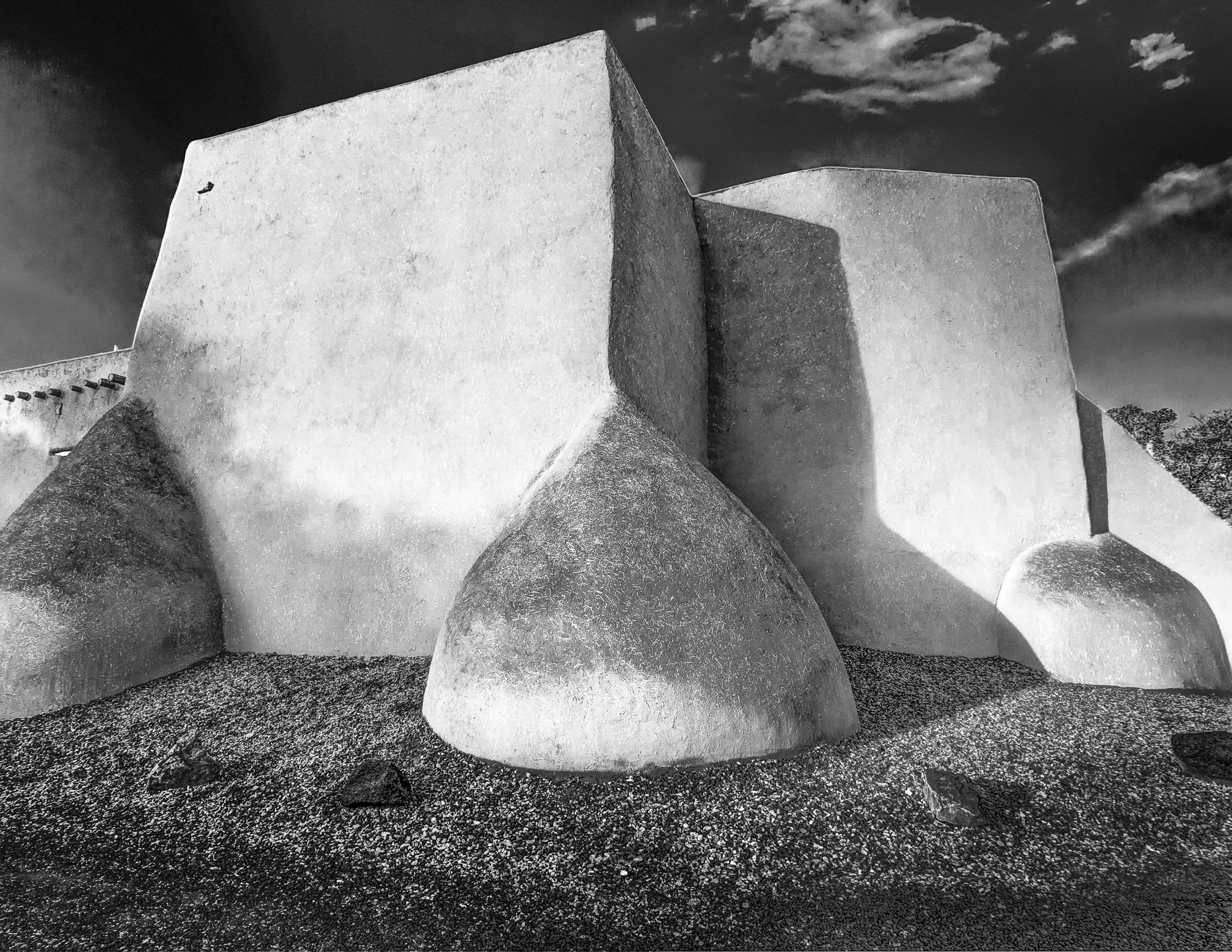
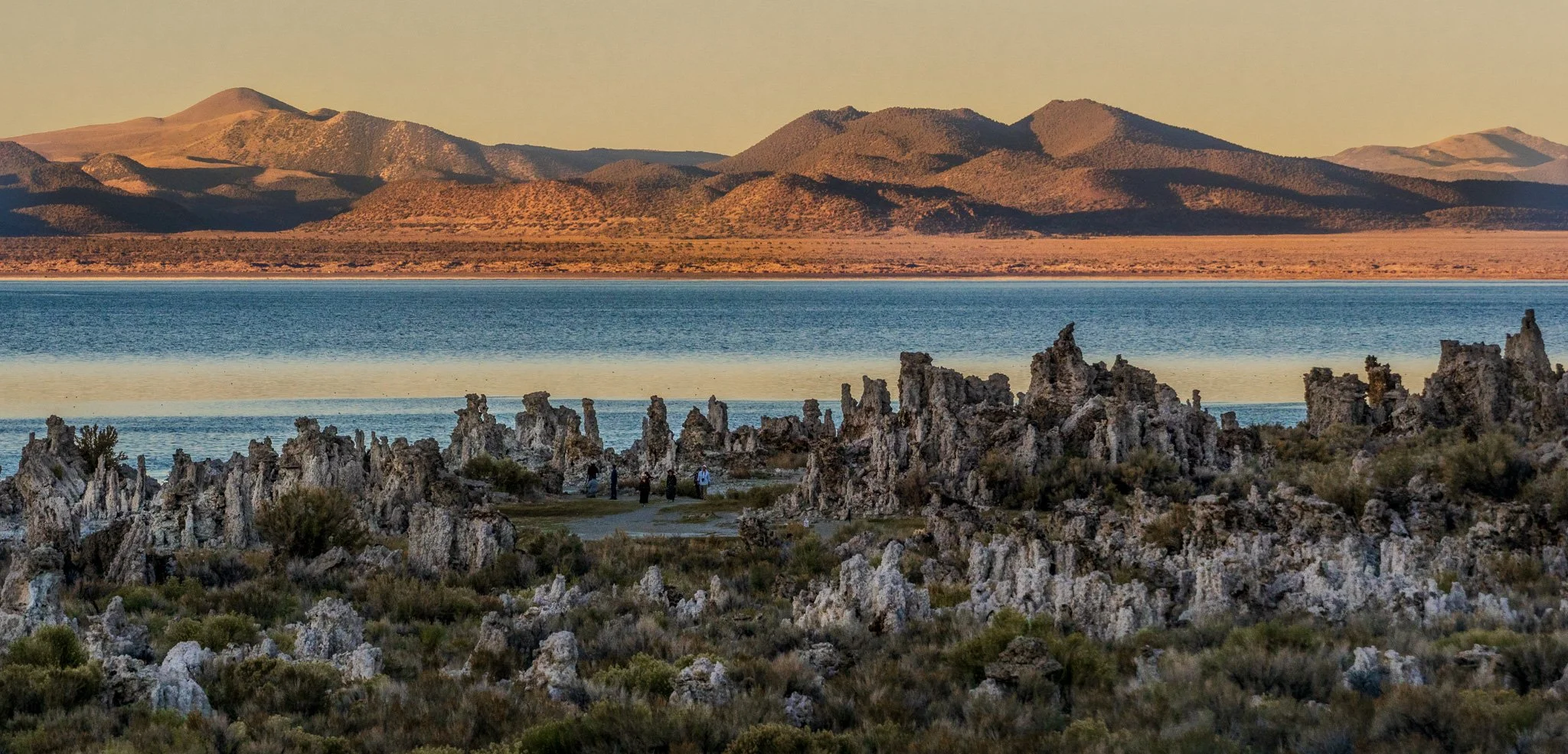
Step into the ancient badlands of Arizona’s Petrified Forest, where stripping away color reveals a hidden world of dramatic light, deep textures, and timeless geological form.