
1,500 Light Years from My Backyard
From Landscapes to Starscapes: My First Deep-Sky Success
First Light: Chasing the Belt of Orion with the Vespera Pro
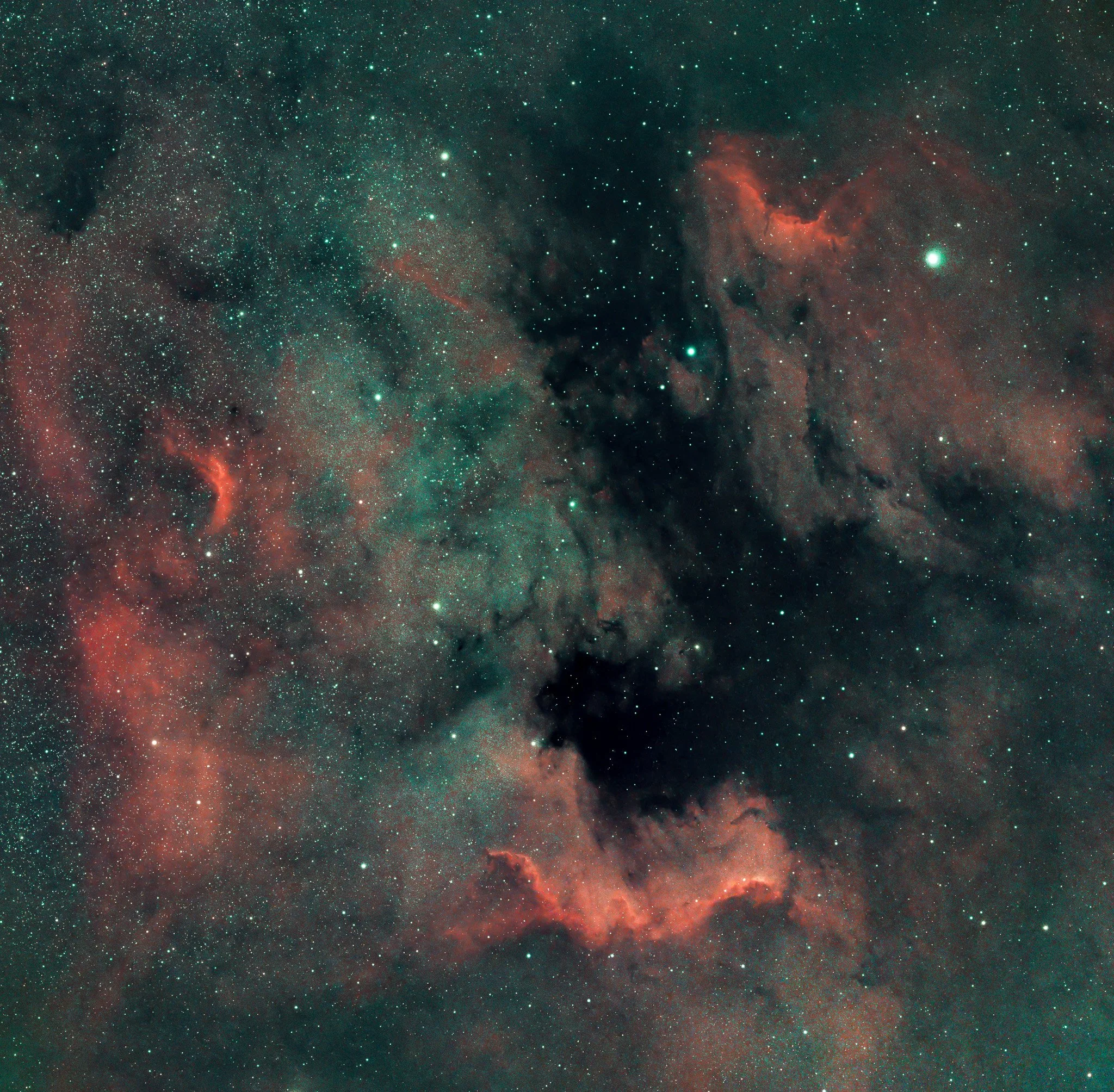
There is something transformative about the first time you see a distant nebula, in this case, one 1,500 light years from home, materialize on your screen from your own backyard. Last fall, I finally pulled the trigger on a Vespera Pro smart telescope, and the results have been nothing short of cosmic. So far I’ve cellected data from several deep space targets and have posted only a couple of them on social media, and this is the first one I’m releasing on my website. The reason for the delay is processing astrophotography data requires different software and a much more technical skill set than processing my landscape photos.
From Earth to the Heavens: The Processing Shift
Transitioning from landscape photography to astrophotography is like learning to paint with light all over again. In my landscape work, I’m usually balancing exposure and color to mimic what the eye sees. In astro, the "vision" is buried in the math.
Landscape Processing is about achieving natural realism and mood using global and local adjustments. Astro Processing is about bringing extremely faint (in most cases) signal out of the noise by using specialized software to stack hundreds of exposures (subframes), then background extraction, plate solving, color calibration and carefully stretching the image to finally reveal it.
A Case of Mistaken Identity (The Orion Neighborhood)
While the Great Orion Nebula (M42) usually steals the spotlight when deep sky targets in Orion are considered, this specific capture actually features its equally famous neighbors located near Alnitak, the easternmost star in Orion's Belt.
What you’re seeing above is a spectacular duo:
The Flame Nebula (NGC 2024): That glowing, fire-like structure at the top, bisected by dark dust clouds.
The Horsehead Nebula (IC 434): If you look closely at the red curtain of hydrogen gas in the center, you’ll see the distinct silhouette of the "Horsehead" peeking out.
Looking Ahead
Today, as Orion begins its seasonal descent and disappears from our night sky until next winter, I’m tucking this data away with the intention of adding to it next time it rotates into view. This will add even more data and refinement of detail to the finished image. So, in theory, an astrophotography image is never truly “finished.” However, there will come the point of diminishing returns when it makes no sense to add more data.
A Note on the Vespera Pro: For those curious, the Vespera Pro makes the data acquisition phase incredibly smooth and easy. On any clear night I’ll set it up outside and control it with an app on my iPad/iPhone from the warmth and comfort inside the house. It’s the perfect telescope for me with bad eyesight and almost no night vision left. After collecting hours of data the real magic happens in the "post-stack" journey. That’s where I take the stacked TIFF file that the Vespera creates and post-process it into the best masterpiece I can. It’s a reminder that even in an age of automation, the artist’s hand in the edit is what makes the image sing.
Explore more of my adventures
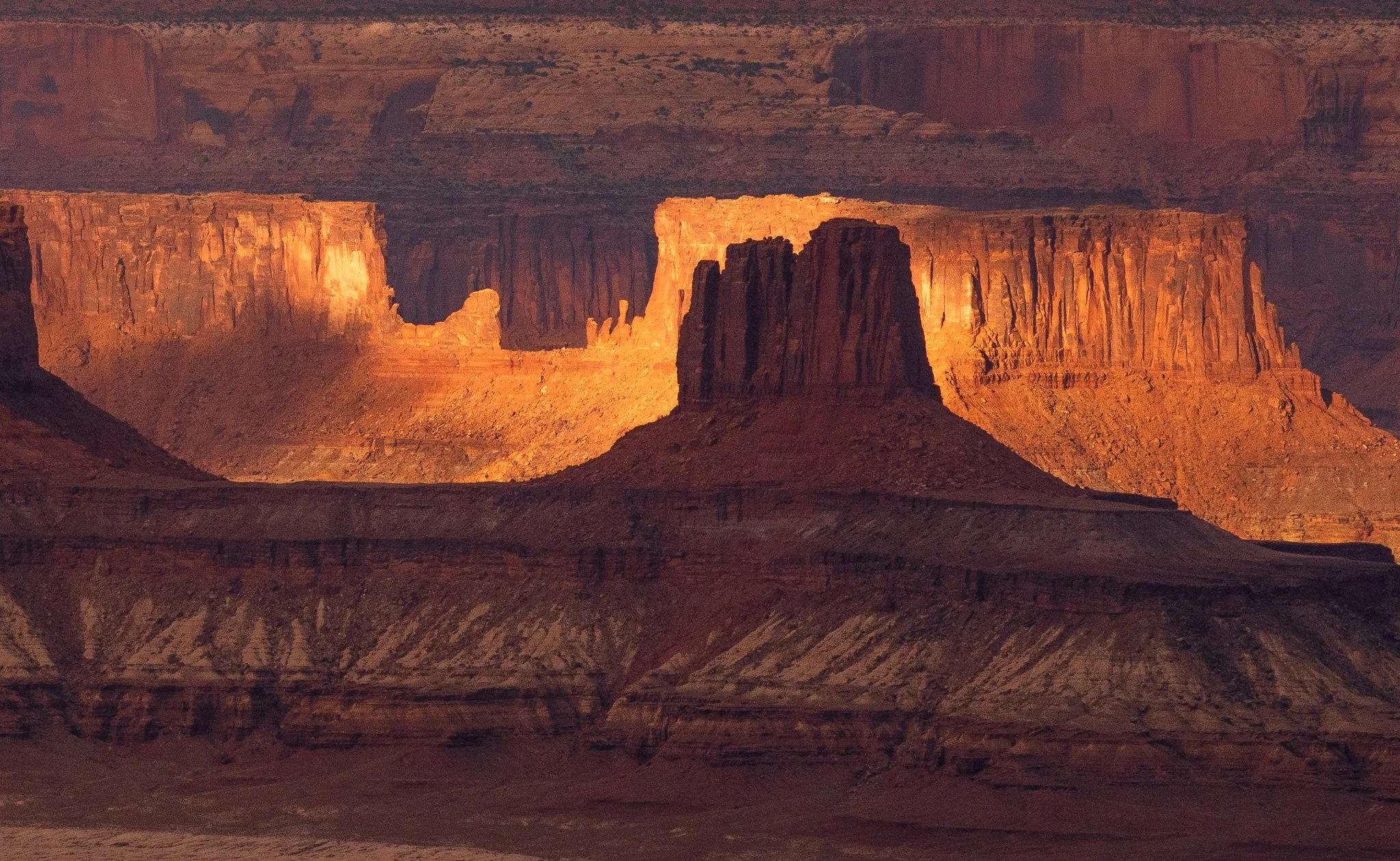
The Three Gossips in Arches National Park for a winter photo session. No snow, but incredible clouds and light started the trip to Moab, Utah.